
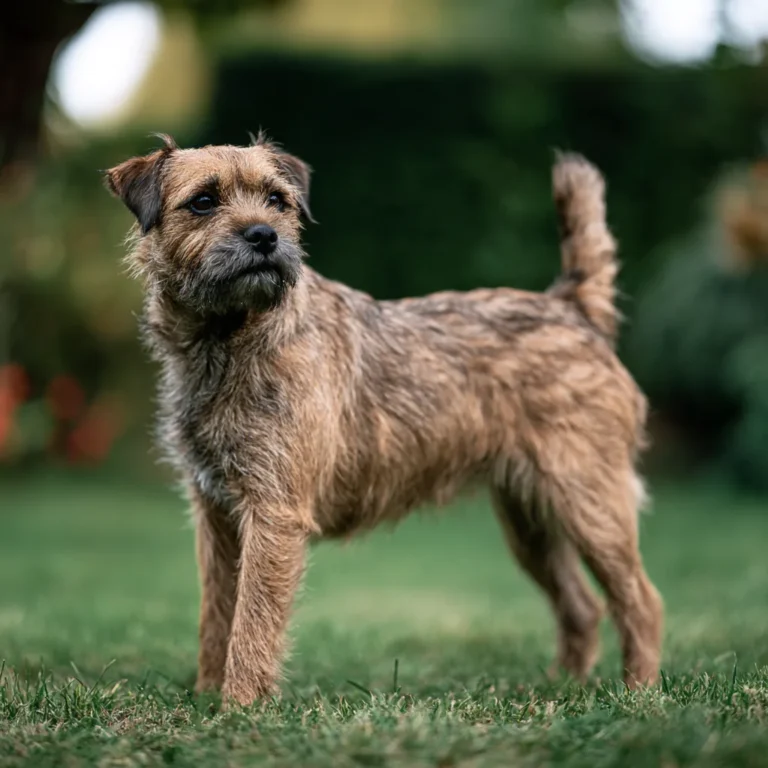
No Border Terrier stud dogs are listed right now
10 breeders list the Border Terrier. Ask them if they have a stud dog.
Border Terrier breeders
- Border Terrier · Portuguese Podengo · WhippetSpecialities: not listed yet
Plushcourt
Oxfordshire - Border Terrier · Irish TerrierSpecialities: not listed yet
Bonosue
Bolton, Lancashire - Border TerrierSpecialities: not listed yet
Asplands Border Terriers
Cheshire - Border TerrierSpecialities: not listed yetLicensed breeder
Foxbrock Border Terriers
Dumfries and Galloway - Border TerrierSpecialities: not listed yetLicensed breeder5-star licence
Ardenforest Border Terriers
Lapworth, Warwickshire - Border Terrier · BulldogSpecialities: not listed yetLicensed breeder5-star licence
Ms Nicola Burridge
North Northamptonshire, Northamptonshire - Border Terrier · Bulldog · Chow ChowSpecialities: not listed yetLicensed breeder5-star licence
Rosebull Show Services
North Northamptonshire, Northamptonshire - Border TerrierSpecialities: not listed yetLicensed breeder5-star licence
Purebord Border Terrier
New Forest

10 listed. See all
Do you breed the Border Terrier? Add a stud dog free.
Using a Border Terrier stud dog
This page lists Border Terrier stud dogs offered by owners across the UK. The RKC Health Standard's Good Practice test for the breed is a DNA test for SLEM, so ask for the stud's result first; the breed health group explains that a clear or carrier dog mated to a clear bitch will not produce affected puppies, while two carriers can. For RKC-registered dogs, check results on the Health Test Results Finder and run the planned pairing through the RKC's online inbreeding coefficient calculator, aiming, as the RKC advises, for a coefficient at or below the breed average. Ask the owner about the dog's temperament, the health of his relatives and any previous litters, including whether any puppies developed CECS. Agree the stud fee, what happens if the bitch misses and who registers the litter in writing before the mating. A listing here is not a check of the dog's results.
Health tests for a Border Terrier stud
Under the RKC Health Standard, the breed's Good Practice test is a DNA test for spongiform leucoencephalomyelopathy (SLEM), known in the breed as shaking puppy syndrome. Affected puppies show severe tremors, mostly in the hind legs, once they start trying to walk. The RKC approved an official DNA testing scheme for SLEM in November 2017, and results are recorded on registration certificates and on the Health Test Results Finder. In 2025 the test was moved up from Best Practice to Good Practice. The breed health group explains that clear and carrier dogs do not develop SLEM, and that a mating in which one parent is clear cannot produce affected puppies, whereas two carriers can.
At the same time, the RKC removed hip scoring from the Health Standard for this breed because of doubts about the clinical value of hip scores in small breeds; breeders may still choose to hip score. The breed health group formed by the seven UK Border Terrier clubs runs Border Terrier Health, which covers canine epileptoid cramping syndrome (CECS), gallbladder mucocoele, Cushing's disease and Perthes disease, collects an ongoing owner health survey and publishes an annual health report. The Border Terrier is in Breed Watch Category 1, meaning no breed-specific points of concern have been flagged for show judges.
- Good Practice: DNA test for spongiform leucoencephalomyelopathy (SLEM)
- Best Practice: no further tests listed by the RKC at the time of writing
- Breed health group guidance: a clear or carrier dog mated to a clear dog will not produce SLEM-affected puppies; a carrier-to-carrier mating can
- Monitored by the breed health group (no RKC test listed): CECS, gallbladder mucocoele, Cushing's disease, Perthes disease
- Breed Watch: Category 1
More for Border Terrier owners and breeders
- Border Terrier: breeders
- Border Terrier: puppies for sale
- Border Terrier: stud dogs
- All Terrier group breeds
- Boat and narrowboat dogs
- Gamekeepers’ and estate dogs
- Ratting and pest control terriers
- Smallholding and farmyard dogs
- Terrier racing, lurcher shows and working terrier shows
Official sources
- Border Terrier breed information - The Royal Kennel Club
- Border Terrier breed standard - The Royal Kennel Club
- The Royal Kennel Club Health Standard
- RKC DNA testing scheme for SLEM in Border Terriers (2017)
- Health Test Results Finder - The Royal Kennel Club
- Inbreeding coefficient calculator - The Royal Kennel Club
- The Border Terrier Club
- Is the Border Terrier the right dog for you? - The Border Terrier Club
- Border Terrier Health (UK breed health group)
- Buying a Border Terrier puppy - Border Terrier Health
- Border Terrier 2025 Health Report
- Dog breeding licence (England) - GOV.UK
- Breeding dogs licence conditions, Schedule 6 - legislation.gov.uk