
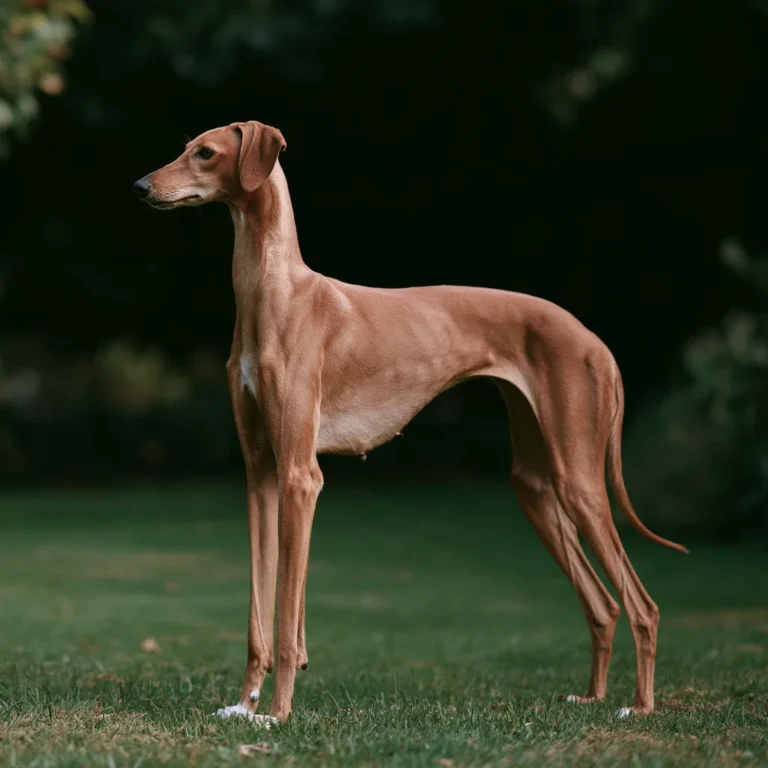
Using an Azawakh stud dog
Azawakh stud dogs on this page are advertised by their owners. In a breed with so few dogs in the UK, one stud can have a large influence on the gene pool, and the RKC identifies heavily used popular sires as a major cause of lost genetic diversity. Check that he is RKC registered without endorsements that would stop the puppies being registered. Use the RKC's inbreeding coefficient calculator (Mate Select) to compare the COI of the proposed mating with the breed average, and aim at or below it. Ask for his thyroid, heart and eye results, since the Azawakh Association of the UK suggests these checks, and whether any relatives have had epilepsy, wobbler syndrome or autoimmune conditions. Set out the fee, what happens if no puppies are born and any repeat-mating terms in a written stud contract, as the RKC does not rule on the terms of a mating.
Health tests for an Azawakh stud
The RKC does not list any breed-specific health screening schemes or DNA tests for the Azawakh. The one good-practice measure on its breed page is prioritising genetic diversity, and there is no RKC breed-specific DNA testing package for the Azawakh at present, although individual DNA tests are available.
The Azawakh Association of the UK notes that the gene pool narrowed when the breed was imported into Europe. Its health page covers several conditions found in Azawakhs: cervical spondylopathy (wobbler syndrome), masticatory muscle myositis, hypothyroidism (most often caused by autoimmune thyroiditis) and idiopathic epilepsy, which it believes is now less common. It suggests a thyroid panel before breeding and repeat thyroid testing through a dog's life. Heart and eye disease have not often been reported in the Azawakh, but because both are common in other sighthounds, the association regards heart and eye testing as a sensible step. In the UK, eye examinations can be done under the BVA/KC/ISDS Eye Scheme, which is open to all dogs.
With so few Azawakhs in the UK, ask breeders about health across the whole pedigree, including imported lines, and compare the coefficient of inbreeding of a mating with the breed average.
- RKC good practice: prioritising genetic diversity (check the COI with the RKC inbreeding coefficient calculator)
- RKC breed-specific DNA testing package: none currently offered
- Breed club suggestion: thyroid panel before breeding, repeated through life
- Breed club suggestion: heart and eye examinations (BVA/KC/ISDS Eye Scheme available in the UK)
- Breed Watch: Category 1 (no breed-specific points of concern identified for judges)
- Register: RKC Imported Breed Register; no additional breed-specific breeding restrictions listed
More for Azawakh owners and breeders
Official sources
- Azawakh (Imp) breed information (The Royal Kennel Club)
- Azawakh (Imp) breed standard (The Royal Kennel Club)
- Imported Breed Register policy (The Royal Kennel Club)
- Breed Watch Category 1 explained (The Royal Kennel Club)
- Managing and maintaining genetic diversity (The Royal Kennel Club)
- Inbreeding coefficient calculator (The Royal Kennel Club)
- Inbreeding calculators explained (The Royal Kennel Club)
- Health Test Results Finder (The Royal Kennel Club)
- Using your dog as a stud (The Royal Kennel Club)
- Find an Azawakh puppy (The Royal Kennel Club)
- The Azawakh Association of the United Kingdom
- Azawakh breed information (The Azawakh Association of the UK)
- Azawakh health information (The Azawakh Association of the UK)
- Code of ethics (The Azawakh Association of the UK)
- Club and breed history in the UK (The Azawakh Association of the UK)
- Eye Scheme (British Veterinary Association Canine Health Schemes)
- Dog breeding licence in England (GOV.UK)
- Lucy's Law: buying puppies direct from the breeder (GOV.UK)