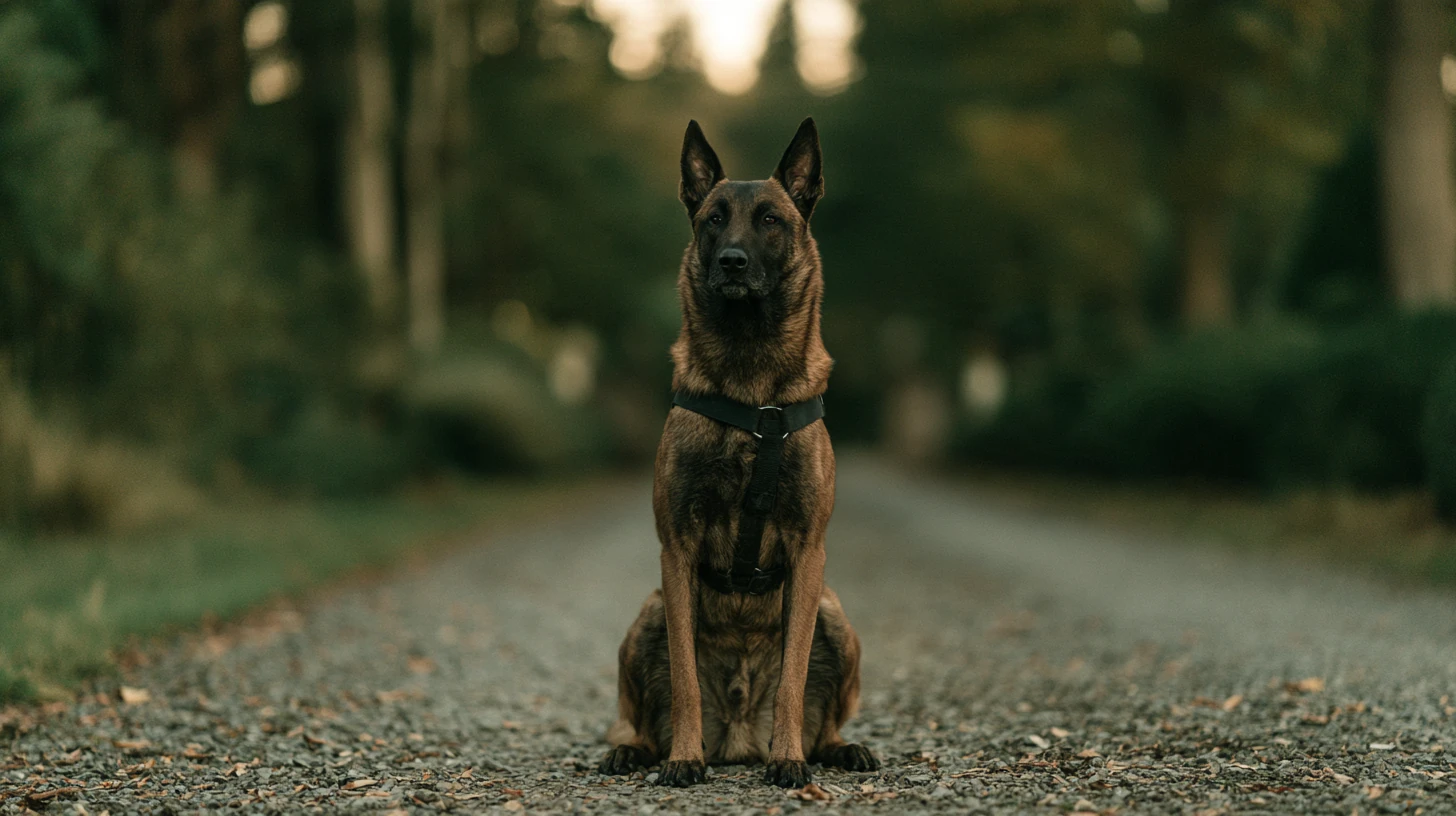
Breeders whose dogs work in security and protection dogs
- Pro K9 Protection Dogs LimitedSheffield, Yorkshire and The Humber
- Protection K9 LimitedFife
About security and protection dogs
Security dogs work with licensed handlers on sites, at events and on patrol; protection dogs are sold privately to guard families and homes. The two markets look similar and are not. The first is regulated, audited and built on adult dogs trained by professionals. The second is largely unregulated and full of claims. This hub explains both, and what a breeder can honestly contribute.
What this discipline is
A general-purpose security dog accompanies a handler to deter, detect and, if necessary, detain intruders. A personal or family protection dog is trained to guard its owner and respond to a threat on command or on its own judgement. Both rely on the same underlying work: obedience, controlled aggression, and the ability to switch off.
The law applies to every one of them. The Guard Dogs Act 1975 requires that a guard dog on premises is either under the control of a handler who is present, or secured so that it cannot roam, and that a warning notice is displayed at every entrance; breaches carry a fine of up to £5,000. Under the Dangerous Dogs Act 1991 any dog that is dangerously out of control, in public or on private property, exposes its owner to prosecution. A protection-trained dog that bites a visitor is not excused by its training.
Who trains or supplies these dogs in the UK
The professional sector is organised around the National Association of Security Dog Users (NASDU), founded in 1996, and BS 8517-1:2016, the British Standard code of practice for general-purpose security dogs covering selection, welfare, kennelling, deployment and records. There is no separate Security Industry Authority (SIA) licence for dog handling: a handler holds a frontline SIA licence for the guarding role and completes a recognised dog handler qualification, such as the Ofqual-regulated NASDU Level 2 award for general-purpose security dog handlers. Companies and handlers buy or train adult dogs and re-assess them regularly.
The family protection dog market is a different world. Trainers and dealers sell fully trained dogs, often for five-figure sums, sometimes imported. No licence, standard or independent test governs these sales. Some trainers are excellent; some sell dogs with unstable temperaments and little control. Buyers should judge the trainer, the dog and the ongoing support, and be honest about whether a well-bred, well-socialised dog with good obedience would meet their real need.
Breeds and lines
German Shepherds, Belgian Shepherds (Malinois), Dobermanns, Rottweilers, Giant Schnauzers and Dutch Shepherds are the mainstream. Working lines matter: dogs from IGP, working trials or police breeding tend to have the nerve strength and clear-headedness this work needs, whereas show lines are selected for other things. Breeders in this discipline usually title their own dogs in IGP (BH, then IGP1 to IGP3, run in Britain by bodies such as the GSD League Working Dog Group and BAGSD), in RKC working trials up to the Patrol Dog stake, or in other protection sports.
Health is not optional. Hip and elbow scoring, and the breed-specific tests under the Royal Kennel Club Health Standard, including heart screening where the breed club recommends it, should be routine, and a buyer should expect to see the paperwork.
What a buyer should ask a breeder
- Which working titles do the sire and dam hold, and in what discipline?
- Can I see the parents work and, more importantly, switch off and settle?
- What are their hip, elbow and breed-specific health results?
- How do you socialise the litter, and what temperament testing do you do?
- Are you licensed by your council if your breeding requires it?
- If you also train, what does the training cost, how long does it take, and what support follows?
Treat with caution any breeder or trainer who guarantees a protection dog from a puppy, sells a “certified” protection dog (no such certificate exists in the UK), or discourages you from meeting the parents.
What breeders can list here
Breeders may list their breed, working lines, the titles their dogs hold, health results and any dogs from their kennel that have gone to licensed security work or to protection sport handlers. They may not describe puppies as protection dogs, guard dogs, trained or certified, and Canine Breeder does not supply, sell or vet trained protection dogs. This site is independent of NASDU, the SIA and any trainer.
If you breed sound, titled working-line shepherds, Dobermanns, Rottweilers or similar breeds, list your kennel in this discipline.