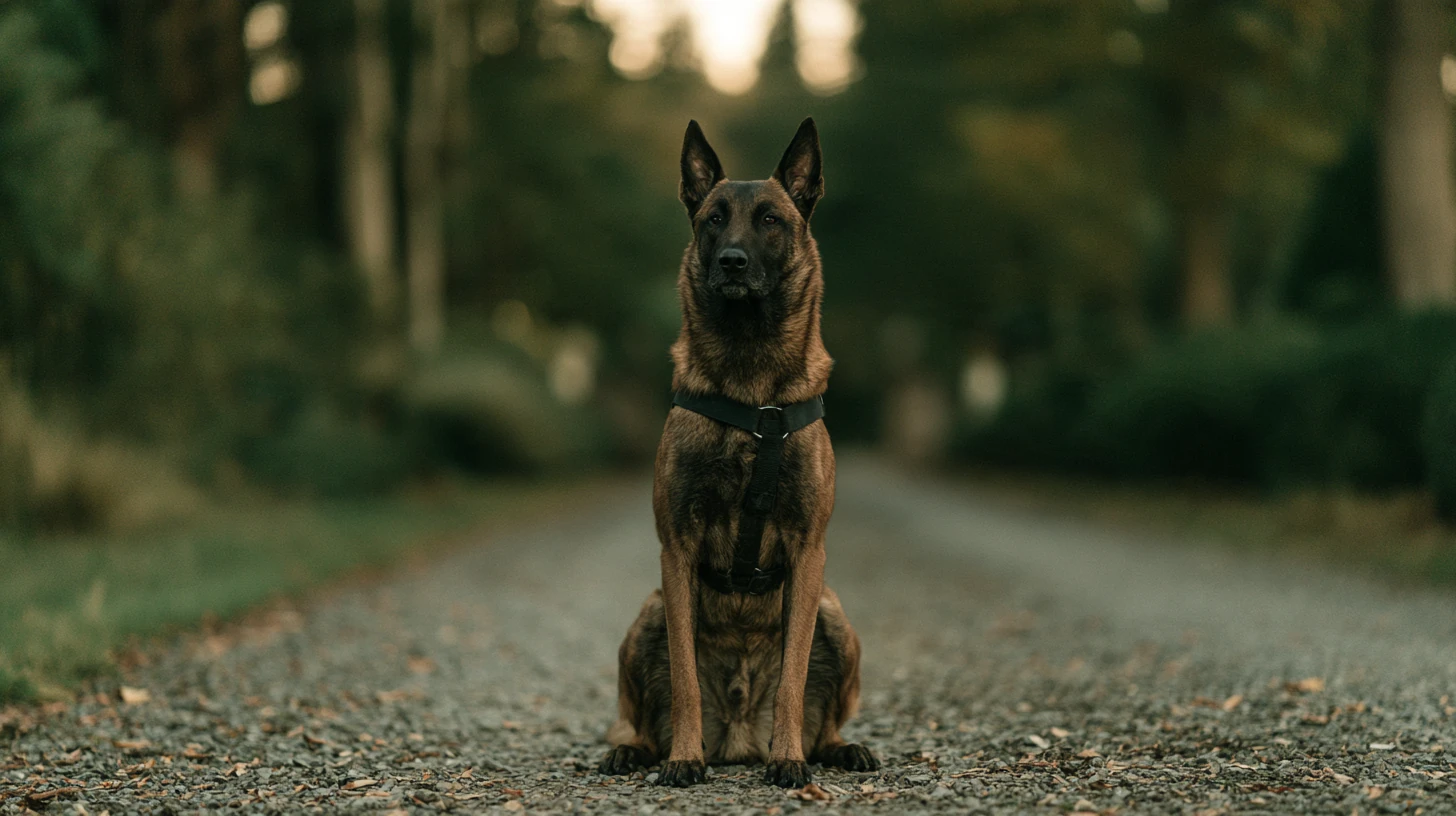
Breed dogs for police dogs and police puppy programmes? Advertise here
Buyers and trainers use this page to find breeders whose lines do this work. List your kennel free, tick the industries your dogs work in, and advertise litters and stud dogs from proven working lines.
No breeders are listed here yet, so the first profiles get the page to themselves.
- Free basic profile: your breeder or company name, website, social media, location, breeds and industries.
- Litters and stud dogs advertised in their own sections, never mixed with puppies for sale.
- Premium showcase for your services and prices, previous customers, awards, video, gallery and health certificates, with your phone and email shown to buyers.
- Sponsored articles about your breed or industry, written and published by our team.
- Featured placement at the top of this page, labelled as sponsored.
Is it free to advertise here?
Yes. A breeder profile and your litter and stud dog adverts are free. Premium profiles, featured placement and sponsored articles are optional paid extras; see pricing.
Do I need a licence to advertise puppies?
In England you need a dog breeding licence from your council if you breed three or more litters in 12 months or breed and sell dogs as a business, and Wales, Scotland and Northern Ireland have their own schemes. Licensed breeders show their licence number and issuing council on every advert. Puppies must be at least eight weeks old before they go to new homes.
Is my listing already here?
We add licensed breeders from councils' public registers. Search for your kennel name; if it is listed you can claim it and edit everything.
About police dogs and police puppy programmes
How do police get their dogs? In the UK, forces breed their own, buy puppies and young dogs from breeders and other forces, and train every dog in-house with its handler. You cannot buy a serving police dog, but breeders of suitable lines can offer puppies and young dogs to force dog units. Breeders on this site do not sell trained police dogs.
What this work involves
General purpose police dogs, usually German Shepherds, Malinois and Shepherd crosses, track suspects, search buildings and open ground for people and property, and support officers at arrests and public order incidents. Specialist search dogs, mostly spaniels and Labradors, find drugs, cash, firearms, explosives and, in some forces, digital storage devices. Each dog is trained with its handler, lives with them, and is assessed against national standards before going operational, then reassessed regularly.
Who trains and supplies these dogs in the UK
- West Midlands Police trains its dogs at a specialist centre in Balsall Common and runs a puppy development programme that breeds its own puppies. Volunteer puppy fosterers take puppies from six to eight weeks old until they are about 12 months old, following a structured development plan with regular training sessions, and the puppies also spend time in the force’s kennels for more formal training. The force’s website also has a “Dogs for sale” section.
- Devon and Cornwall Police and Dorset Police, which then shared an operations alliance, said in 2018 that they had bred four litters of their own but acquired a large proportion of their puppies from reputable, established breeders of working lines, then placed them with volunteer puppy walkers. Their dogs normally start work at 18 months to two years old, after a 13-week course with their handler.
- Forces also supply each other. Dorset Police’s first Belgian Malinois, an 18-month-old bitch licensed for patrol work in 2010, was supplied by Hampshire Constabulary.
- Thin Blue Paw Foundation (registered charity 1190959) supports the welfare of serving and retired police dogs across the UK. It helps with veterinary and rehabilitation costs for retired dogs, trains handlers in canine first aid, and campaigns for centrally funded pensions for retired police dogs.
Breeds and lines
The main police dog breeds are German Shepherd Dogs and Belgian Shepherd Dogs (Malinois) for general purpose work, and English Springer Spaniels, Cocker Spaniels and Labrador Retrievers for search work. West Midlands Police says it does not look exclusively for one breed; it focuses on character. Its puppies should be energetic, bold, confident and playful, happy in any environment, keen to play with a toy, ambivalent towards other dogs and able to solve problems. The force is clear that these are not pet dogs.
Police dog breeders in the UK need lines that combine that character with sound hips and elbows and good general health, because a dog that breaks down young wastes months of training.
What to ask a breeder
- Have dogs from your lines been accepted by a police force, the prison service or Border Force, and at what age?
- What are both parents’ hip and elbow scores and other health results?
- How do the puppies respond to toys, unfamiliar places and other dogs?
- Would you run on a young dog to 12 months or more so that a force can assess it?
- Are you licensed by your council if your breeding needs it, and can you show breeding and health records?
- What happens if a dog is not selected: will you take it back?
Legal and welfare notes
The Animal Welfare (Service Animals) Act 2019, known as Finn’s Law, amended the Animal Welfare Act 2006 in England and Wales. A person who causes unnecessary suffering to a police dog or other service animal can no longer rely on having acted to protect a person, property or another animal, where the animal was under an officer’s control and being used reasonably in the course of duty. It covers constables, others employed or engaged for police purposes, and prisoner custody officers. Breeders who supply forces must meet the same breeding licence rules as anyone else.
Frequently asked questions
How do police get their dogs?
Through their own breeding programmes, dogs from other forces, and puppies or young dogs bought from breeders of working lines. Every dog is assessed, then trained and licensed in-house with its handler.
Can I become a police puppy foster carer?
Some forces recruit volunteers. West Midlands Police asks puppy fosterers to take a puppy from six to eight weeks old for about a year, attend regular training sessions, provide a secure garden with six-foot fences, and not leave the puppy for more than three to four hours at a time, other than overnight.
Do police dog puppies have to be pedigree?
No. Forces choose dogs for character and ability. West Midlands Police breeds for traits rather than a single breed, Devon and Cornwall Police has used German Shepherds and Shepherd crosses, and the prison service’s approved list for general purpose dogs includes German Shepherd and Malinois crosses.
If dogs from your lines have gone on to police, prison or Border Force work, list your breeding on Canine Breeder so forces and trainers can find you.