Breed dogs for executive and close protection dogs? Advertise here
Buyers and trainers use this page to find breeders whose lines do this work. List your kennel free, tick the industries your dogs work in, and advertise litters and stud dogs from proven working lines.
No breeders are listed here yet, so the first profiles get the page to themselves.
- Free basic profile: your breeder or company name, website, social media, location, breeds and industries.
- Litters and stud dogs advertised in their own sections, never mixed with puppies for sale.
- Premium showcase for your services and prices, previous customers, awards, video, gallery and health certificates, with your phone and email shown to buyers.
- Sponsored articles about your breed or industry, written and published by our team.
- Featured placement at the top of this page, labelled as sponsored.
Is it free to advertise here?
Yes. A breeder profile and your litter and stud dog adverts are free. Premium profiles, featured placement and sponsored articles are optional paid extras; see pricing.
Do I need a licence to advertise puppies?
In England you need a dog breeding licence from your council if you breed three or more litters in 12 months or breed and sell dogs as a business, and Wales, Scotland and Northern Ireland have their own schemes. Licensed breeders show their licence number and issuing council on every advert. Puppies must be at least eight weeks old before they go to new homes.
Is my listing already here?
We add licensed breeders from councils' public registers. Search for your kennel name; if it is listed you can claim it and edit everything.
About executive and close protection dogs
An executive protection dog works alongside a close protection team, or lives with a family that employs private security. These dogs are trained and placed by specialist commercial providers. People who handle them as contracted security operatives need a Security Industry Authority (SIA) licence; the dog itself has no licensing scheme. Breeders on this site can supply puppies and young dogs from suitable working lines, but they do not sell trained bodyguard dogs.
What this work involves
A VIP security dog has a harder brief than most protection dogs. It may patrol a residence and grounds at night, travel by car and plane, stay in hotels, and lie quietly in restaurants and offices by day. It must deter and respond to a threat under strict control, while staying completely safe with the principal’s family, staff and the public. Some providers also train dogs to search for people or items alongside the human team.
The close protection dog handler is usually a licensed close protection operative or security officer with additional dog handling training, and the dog lives with the handler or the family.
Who trains and supplies these dogs in the UK
- Specialist commercial providers select young dogs from working-line breeders, train them, and either supply them with a handler or train family members and staff to handle them.
- The Security Industry Authority licenses individuals under the Private Security Industry Act 2001 to carry out contracted security work. That includes close protection, which the Act describes as guarding one or more individuals against assault or against injuries caused by the unlawful conduct of others, and security guarding of premises and property. The SIA licenses people, not dogs or businesses, and it says it does not formally recognise associations such as canine bodies.
- NASDU (National Association of Security Dog Users) publishes handler qualifications for general purpose security dogs, built on BS 8517-1, and for detection dogs, built on BS 8517-2. None of its published awards is specific to close protection dogs, but providers may use them as a baseline for handlers.
Breeds and lines
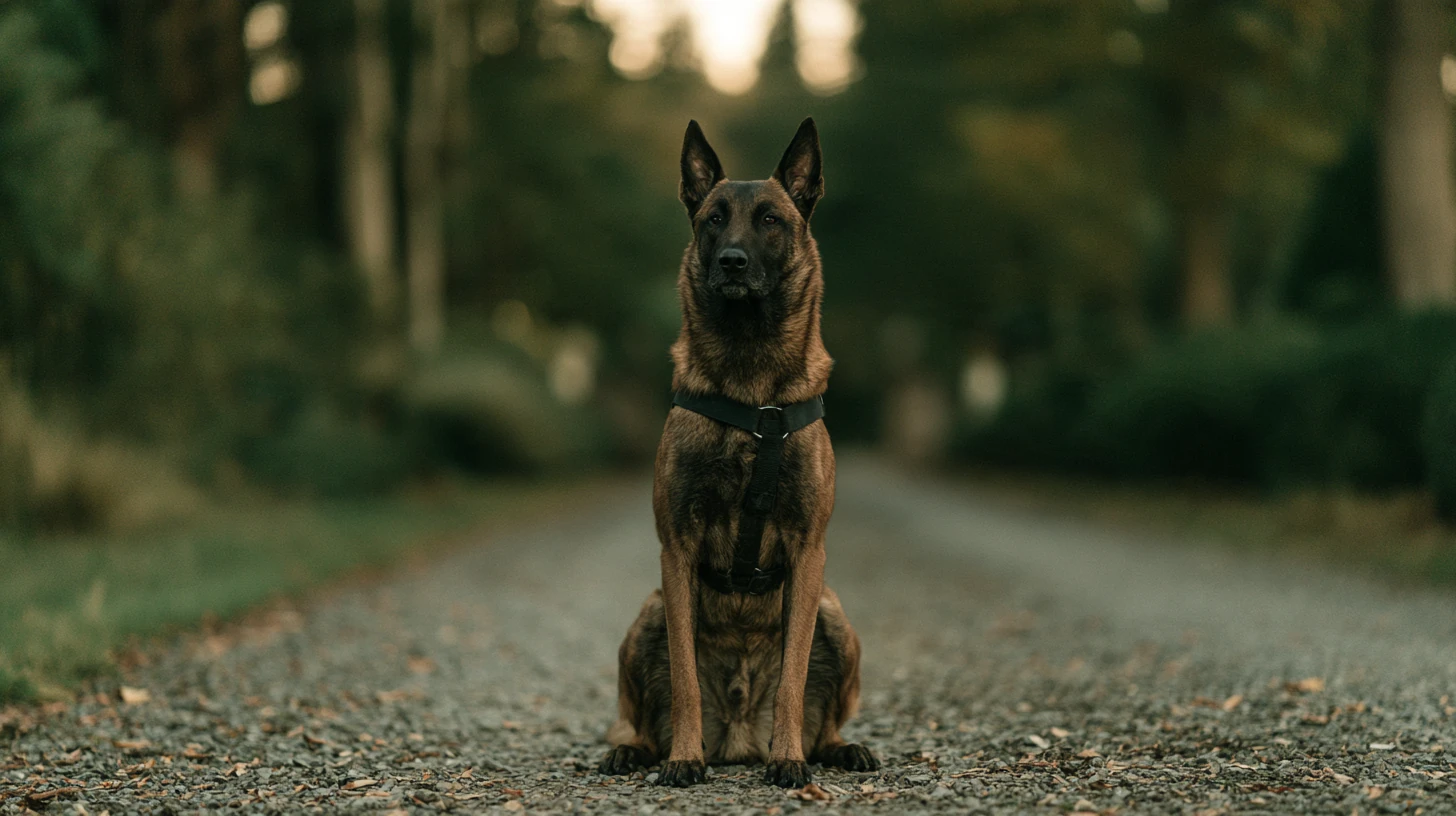
German Shepherd Dogs, Belgian Shepherd Dogs (Malinois), Dobermanns and Rottweilers are the usual choices. Social stability matters most: a dog that is relaxed in airports and restaurants, copes with travel and constant changes of routine, and switches on and off reliably. Working lines with sport or working trials records, sound hips and elbows, and good general health give the best chance of a long career.
What to ask a breeder
- Do you sell young dogs to protection or security providers, and can I speak to one of them?
- How do the parents behave in busy public places and when travelling?
- What are the parents’ hip and elbow scores and other health results?
- Do the parents hold IGP, working trials or other working qualifications?
- How do you assess each puppy’s temperament before matching it to a buyer?
- Will you take a dog back if it is not selected for training?
Legal and welfare notes
- The Private Security Industry Act 2001 requires an SIA licence for contracted close protection and security guarding work. The licence belongs to the person, not the dog.
- Under section 3 of the Dangerous Dogs Act 1991, the owner and the person in charge are liable if a dog is dangerously out of control in any place in England or Wales. Section 1 banned types cannot be bred from, sold or given away, and Canine Breeder does not list them.
- If a dog guards business premises, the Guard Dogs Act 1975 requires a capable handler to be present and in control, unless the dog is secured, and a warning notice at every entrance. The Act does not apply to dwelling-houses or their gardens.
- Travel, long hours and constant change are demanding. The Animal Welfare Act 2006 duty of care includes proper rest, exercise and veterinary care.
Frequently asked questions
Does a close protection dog need a licence?
No licence exists for the dog. The person handling it for contracted close protection or guarding work needs the appropriate SIA licence.
Who trains executive protection dogs?
Specialist commercial providers, who buy young dogs from working-line breeders and train them. Standards vary, so ask for references, watch the dog work, and check the handlers’ licences and qualifications.
Can a close protection officer bring their own dog to work?
Only by agreement with the client and employer. The officer still needs an SIA licence for contracted work, remains responsible for the dog under the Dangerous Dogs Act 1991, and should be able to show the dog’s training and control.
If your dogs come from working lines suited to protection or security work, list your breeding on Canine Breeder so providers and handlers can find you.