Breed dogs for military working dogs? Advertise here
Buyers and trainers use this page to find breeders whose lines do this work. List your kennel free, tick the industries your dogs work in, and advertise litters and stud dogs from proven working lines.
No breeders are listed here yet, so the first profiles get the page to themselves.
- Free basic profile: your breeder or company name, website, social media, location, breeds and industries.
- Litters and stud dogs advertised in their own sections, never mixed with puppies for sale.
- Premium showcase for your services and prices, previous customers, awards, video, gallery and health certificates, with your phone and email shown to buyers.
- Sponsored articles about your breed or industry, written and published by our team.
- Featured placement at the top of this page, labelled as sponsored.
Is it free to advertise here?
Yes. A breeder profile and your litter and stud dog adverts are free. Premium profiles, featured placement and sponsored articles are optional paid extras; see pricing.
Do I need a licence to advertise puppies?
In England you need a dog breeding licence from your council if you breed three or more litters in 12 months or breed and sell dogs as a business, and Wales, Scotland and Northern Ireland have their own schemes. Licensed breeders show their licence number and issuing council on every advert. Puppies must be at least eight weeks old before they go to new homes.
Is my listing already here?
We add licensed breeders from councils' public registers. Search for your kennel name; if it is listed you can claim it and edit everything.
About military working dogs
Britain’s military working dogs search for weapons and explosives, detect drugs, guard bases and deploy with troops at home and overseas. This page explains who trains them, how the armed forces source dogs, which breeds they use and what breeders whose dogs work in defence roles should know. The short version: the armed forces buy their dogs, mostly from continental Europe, and train them themselves, and no breeder sells a trained military dog.
What this work involves
Military working dog roles include patrol, arms and explosives search, high assurance search, counter-improvised explosive device (C-IED) search and drugs search, in the UK and on operations abroad. The Army says patrol dogs provide a visible deterrent and can detect, pursue and detain an intruder; arms and explosives search dogs work at vehicle checkpoints, cordons and helicopter landing sites; and high assurance search dogs check routes, railway lines and the outsides of buildings. Dogs have to cope with vehicles, aircraft, gunfire, heat and confined spaces, and stay under control around soldiers and civilians alike.
Handlers are taught to handle, train and care for their dog, including kennel management and veterinary first aid, and the pair then work as a team.
Who trains and supplies these dogs in the UK
Military working dog training is centred on the Defence Animal Training Regiment (DATR) at Remount Barracks, Melton Mowbray, part of the Royal Army Veterinary Corps. The Army describes DATR as a joint service establishment, with personnel from several Army regiments and the RAF Police, delivering animal handling training for more than 400 personnel and role-specific training for hundreds of military working animals each year. Its Canine Training Squadron, home to around 200 working dogs when the Princess Royal opened its new training facility in 2022, delivers trained dogs to customers across the Ministry of Defence and occasionally runs courses for foreign forces.
Trained Army teams go to the 1st Military Working Dog Regiment, formed on 26 March 2010 and based at St George’s Barracks, North Luffenham, in Rutland. It generates and prepares military working dogs and veterinary capabilities to support UK resilience and operations at home and overseas.
The RAF Police runs its own military working dog sections at RAF stations such as RAF Marham, where dogs are used on security patrols and as arms and explosives detection dogs.
The supply model is purchase. The Army says the armed forces need more than 200 trained military working dogs a year, and that most types are bought on the European market, where the standard of dogs available is high. Dogs are assessed and trained before they reach their units. No breeder on this site supplies a trained or certified military dog.
Breeds and lines
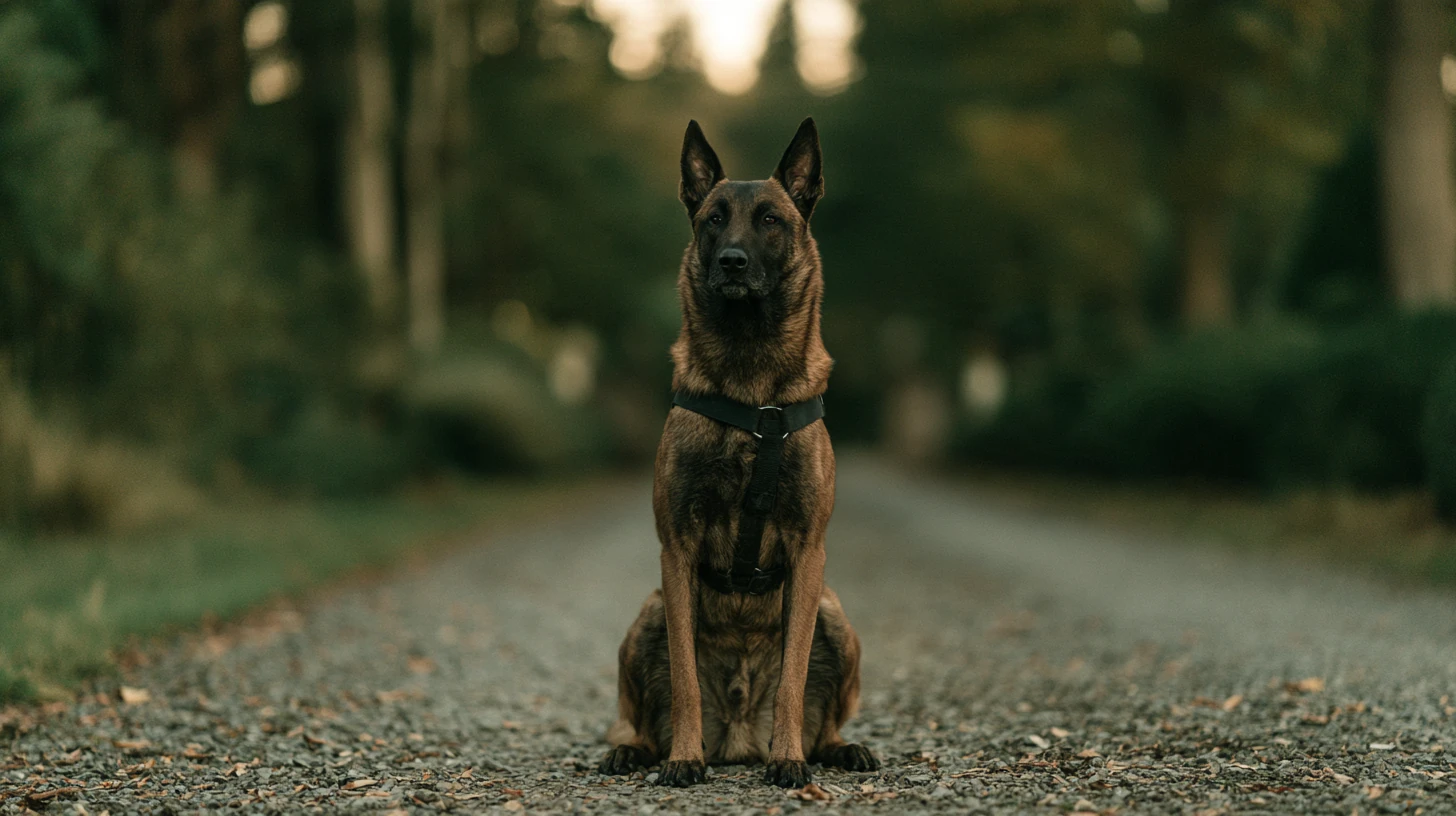
The Army says most of its patrol dogs are Belgian Malinois and German Shepherd Dogs, most of its high assurance search dogs are Malinois, and most of its arms and explosives search dogs are Labradors and spaniels. Dogs are selected for drive, nerve and robust health rather than appearance, and many of the military dog breeds UK units field are bought as trained-on prospects from continental Europe.
For a UK breeder, the realistic route into defence work is producing sound, confident working-line dogs that experienced homes, trainers or agencies can assess as young adults.
What to ask a breeder
- Have any dogs from your lines been taken on by the armed forces, the police or other government agencies?
- How do the parents react to gunshot-type noise, vehicles, machinery and crowds?
- What hip and elbow scores and breed-relevant DNA tests do the parents have?
- How do you build puppies’ confidence on stairs, grilles, slippery floors and in vehicles?
- Do you keep promising youngsters on for assessment as adults, and how are they socialised?
Frequently asked questions
Can I sell or donate my dog to the military?
The Army says most of its military working dogs are bought on the European market. Any dog offered would have to pass assessment before it was accepted, and approaches should go through official Army channels rather than third parties.
What breeds does the British Army use?
Mainly Belgian Malinois and German Shepherds for patrol, Malinois for high assurance search, and Labradors and spaniels for arms and explosives search.
How do I become an army dog handler?
Army dog handlers serve in the Royal Army Veterinary Corps, and DATR at Melton Mowbray runs the Army’s military working dog handler recruit training; RAF Police personnel also serve at DATR. Check current Army and RAF recruitment information for entry requirements, as dog handling is a specialist service trade rather than something you qualify for privately.
If your German Shepherds, Malinois, springers or Labradors come from working lines used for patrol or detection, list your kennel on caninebreeder.co.uk so agencies, trainers and experienced working homes can find you.