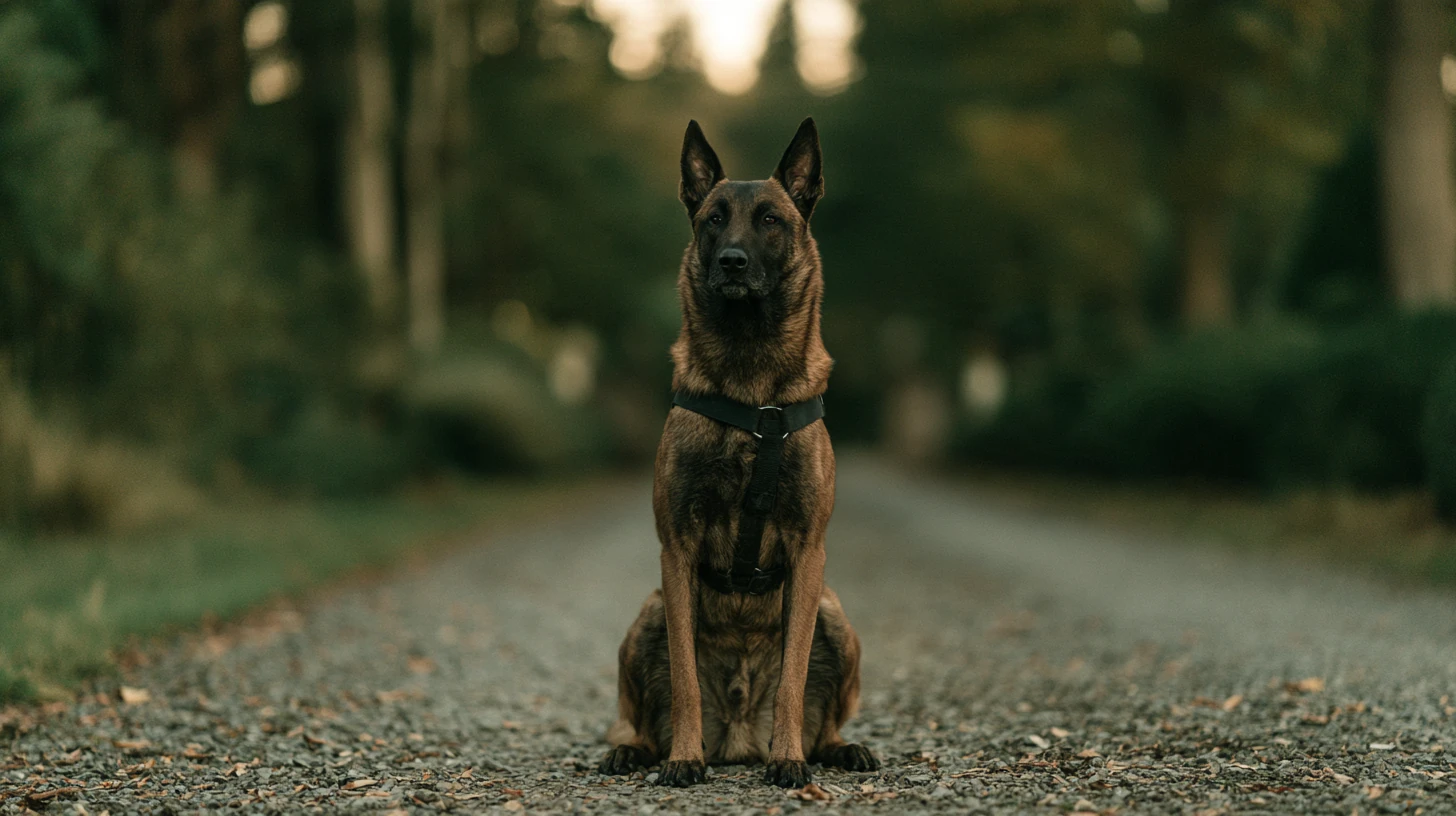
Breed dogs for patrol, guard and general-purpose security dogs? Advertise here
Buyers and trainers use this page to find breeders whose lines do this work. List your kennel free, tick the industries your dogs work in, and advertise litters and stud dogs from proven working lines.
No breeders are listed here yet, so the first profiles get the page to themselves.
- Free basic profile: your breeder or company name, website, social media, location, breeds and industries.
- Litters and stud dogs advertised in their own sections, never mixed with puppies for sale.
- Premium showcase for your services and prices, previous customers, awards, video, gallery and health certificates, with your phone and email shown to buyers.
- Sponsored articles about your breed or industry, written and published by our team.
- Featured placement at the top of this page, labelled as sponsored.
Is it free to advertise here?
Yes. A breeder profile and your litter and stud dog adverts are free. Premium profiles, featured placement and sponsored articles are optional paid extras; see pricing.
Do I need a licence to advertise puppies?
In England you need a dog breeding licence from your council if you breed three or more litters in 12 months or breed and sell dogs as a business, and Wales, Scotland and Northern Ireland have their own schemes. Licensed breeders show their licence number and issuing council on every advert. Puppies must be at least eight weeks old before they go to new homes.
Is my listing already here?
We add licensed breeders from councils' public registers. Search for your kennel name; if it is listed you can claim it and edit everything.
About patrol, guard and general-purpose security dogs
Patrol and guard dogs work with licensed handlers on construction sites, at events and on commercial premises. Security companies buy young dogs from working-line breeders, or buy trained dogs, and train and qualify their own handler teams. Breeders listed on Canine Breeder supply puppies and young dogs from suitable lines; they do not sell trained guard dogs.
What this work involves
A general purpose security dog and its handler patrol a site, deter intruders, search buildings and open ground for people and property, and protect the handler if attacked, always under control. Some teams also track. The code of practice for this work is BS 8517-1. The end-point assessment for NASDU’s Level 2 general purpose award includes an operational patrol scenario covering pick-up and indication, handler protection, and bite and release.
Under the Guard Dogs Act 1975, a guard dog is any dog being used to protect premises, property kept there, or a person guarding them. The Act therefore applies to a national contractor and a small yard owner alike.
Who trains and supplies these dogs in the UK
- NASDU (National Association of Security Dog Users) sets widely used handler qualifications for the private security sector. Its Level 2 Award for a General Purpose Security Dog Handler, built on BS 8517-1, needs at least 60 guided learning hours and is endorsed by the awarding body Highfield. NASDU security dog awards also include a Level 2 general purpose security and tracking dog award, a Level 2 patrol dog handler award and a Level 3 Certificate for a General Purpose Security Dog. The handler’s Highfield-endorsed certificate is for life; the NASDU handler-and-dog team certificate expires after 12 months.
- The Security Industry Authority licenses individuals who carry out contracted security guarding. NASDU says learners should hold an appropriate SIA licence, unless exempt, before starting its Level 2 general purpose award, and SIA guidance for approved contractors that subcontract dog handling points to BS 8517-1 and BS 8517-2.
- Security companies buy dogs from working-line breeders or trainers, or train their own. Public-sector buyers can be specific: the prison service allows only German Shepherds, Belgian Malinois and certain crosses of those breeds, including with the Dutch Herder, for its general purpose dogs.
Anyone looking into security dog training as a career usually starts with an SIA licence and a Level 2 handler award, then works with an employer’s dog or their own.
Breeds and lines
German Shepherd Dogs, Belgian Shepherd Dogs (Malinois), Rottweilers and Dobermanns are the standard breeds. Security dogs work in the dark, in bad weather and around vehicles and machinery, and rest in kennels or vans between shifts. They need a confident, stable temperament, a strong bond with the handler, and sound hips and elbows.
What to ask a breeder
- What have the parents and close relatives done: security, police, prison service or sport?
- What are the parents’ hip and elbow scores and other health results?
- How are the puppies introduced to vehicles, kennels, noise and darkness?
- Do you sell to security companies, and what welfare checks do you make on them?
- Do you sell puppies, young dogs or both, and at what age?
- Will you take a dog back if it is not suitable for the work?
Legal and welfare notes
- Guard Dogs Act 1975, section 1: a guard dog may be used at premises only if a capable handler is present and the dog is under their control at all times, unless it is secured so that it is not at liberty to go freely about the premises. A warning notice must be clearly shown at every entrance. Breaking these rules is an offence punishable by a fine. The Act’s definition of premises excludes dwelling-houses, land within the curtilage of a dwelling-house and agricultural land, and the Act covers England, Wales and Scotland but not Northern Ireland.
- Guard dog kennels: the Act contains a licensing scheme for guard dog kennels, but the section that makes a licence compulsory has never been brought into force. Ask your council whether any other animal activity licence applies to your business.
- SIA licensing: contracted security guarding needs an SIA licence.
- Dangerous Dogs Act 1991: the owner and the person in charge are liable if a dog is dangerously out of control in any place in England or Wales.
- Animal Welfare Act 2006: kennelling, rest, exercise and veterinary care all fall under the duty of care.
Frequently asked questions
Do guard dog kennels need a licence?
The Guard Dogs Act 1975 provides for guard dog kennel licences, but the requirement to hold one has never been brought into force. Other licences, such as for boarding or breeding, may apply depending on what the business does.
What qualification does a security dog handler need?
Many employers look for a NASDU Level 2 general purpose award built on BS 8517-1, plus an SIA licence for contracted guarding. Handlers moving into detection can go on to NASDU’s Level 3 and Level 4 detection certificates.
Can a guard dog be left loose on a site overnight?
Not on its own. A capable handler must be present and in control; otherwise the dog must be secured so it cannot go freely about the premises, and warning notices must be displayed at each entrance.
If your dogs come from working lines used in security, police or protection work, list your breeding on Canine Breeder so security companies and handlers can find you.