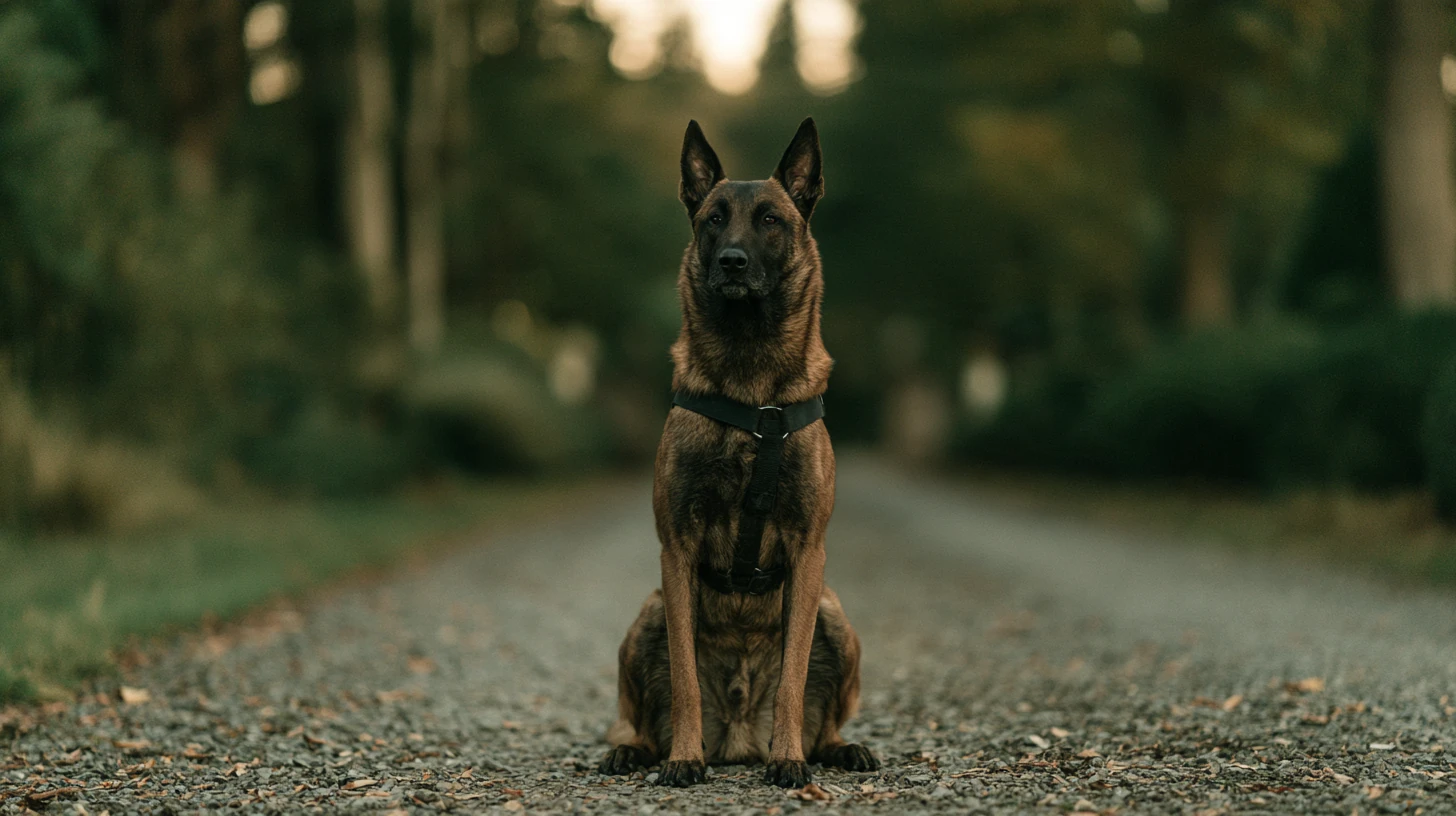
Breed dogs for working-line protection dog puppies and breeders? Advertise here
Buyers and trainers use this page to find breeders whose lines do this work. List your kennel free, tick the industries your dogs work in, and advertise litters and stud dogs from proven working lines.
No breeders are listed here yet, so the first profiles get the page to themselves.
- Free basic profile: your breeder or company name, website, social media, location, breeds and industries.
- Litters and stud dogs advertised in their own sections, never mixed with puppies for sale.
- Premium showcase for your services and prices, previous customers, awards, video, gallery and health certificates, with your phone and email shown to buyers.
- Sponsored articles about your breed or industry, written and published by our team.
- Featured placement at the top of this page, labelled as sponsored.
Is it free to advertise here?
Yes. A breeder profile and your litter and stud dog adverts are free. Premium profiles, featured placement and sponsored articles are optional paid extras; see pricing.
Do I need a licence to advertise puppies?
In England you need a dog breeding licence from your council if you breed three or more litters in 12 months or breed and sell dogs as a business, and Wales, Scotland and Northern Ireland have their own schemes. Licensed breeders show their licence number and issuing council on every advert. Puppies must be at least eight weeks old before they go to new homes.
Is my listing already here?
We add licensed breeders from councils' public registers. Search for your kennel name; if it is listed you can claim it and edit everything.
About working-line protection dog puppies and breeders
This page is for people looking for working line German Shepherd puppies, Malinois breeders UK-wide, KNPV lines UK kennels have imported, or working line puppies for sport, and for the protection dog breeders who produce them. Everything listed here is a puppy or young dog sold untrained. Protection work is built with a club or professional trainer, never bought ready-made.
What this work involves
Working-line German Shepherds, Belgian Shepherd Dogs (Malinois) and similar breeds are selected for nerve, drive and trainability rather than looks. A good working-line dog is stable and social by default, with strong prey and hunt drive, a willingness to engage under pressure and a quick “off switch”.
Breeders prove those qualities through working tests. IGP (formerly Schutzhund, then IPO) has three phases, tracking, obedience and protection, and dogs must first pass the BH temperament and obedience test. Royal Kennel Club working trials, which the RKC describes as based on the civilian equivalent of police dog work, test similar qualities. KNPV lines come from the Dutch KNPV police dog certificate system, where Malinois, Dutch Shepherds and crosses are bred and selected on working performance, often without pedigree registration.
Dogs from these lines go on to protection sports, police and prison patrol work, military service and private security, but only after training by those organisations or their owners.
Who trains and supplies these dogs in the UK
The supply model is private breeders and owner training. Puppies come from small kennels that trial, work or breed-survey their own dogs, and owners train through clubs or professional trainers. Police forces, HMPPS and the armed forces buy dogs and train them in-house.
Three organisations matter most:
- The British Association for German Shepherd Dogs (BAGSD), formerly the British Alsatian Association and formed in 1933, has branches across the country covering IGP, working trials, competitive obedience, ringcraft and agility. Its IGP section, BAGSD-IGP, was formed in 2007 to comply with WUSV regulations encouraging the German Shepherd as a true working dog; it is WUSV and Kennel Club registered, and dogs of other breeds are admitted to IGP trials.
- The German Shepherd Dog League of Great Britain is, like BAGSD, listed as a UK member club of the WUSV, the world union of German Shepherd Dog clubs.
- The Royal Kennel Club registers pedigree German Shepherds, Belgian Shepherds, Dobermanns, Rottweilers and Giant Schnauzers, and licenses working trials.
Breeds and lines
The German Shepherd Dog dominates, with working lines clearly distinct from show lines in build, pigment and temperament. The Belgian Shepherd Dog (Malinois) is lighter, faster and more intense, and suits only experienced homes. The Dobermann, Rottweiler and Giant Schnauzer are bred in smaller working numbers but remain capable where breeders still test for work.
Good breeders show their stock’s working ability through IGP titles, breed survey results, working trial qualifications or documented service of earlier offspring, alongside BVA/KC hip and elbow scores and any breed-specific screening.
What to ask a breeder
- What working titles, breed survey results or service records do the sire and dam hold, and can I see them work?
- What are the parents’ hip and elbow scores, and for Dobermanns, what heart screening has been done?
- Where have earlier puppies gone: sport, police, security or family homes?
- How do you match puppies to buyers, and would you turn away a first-time owner wanting a guard dog?
- Are you licensed by your local authority, and can I see the puppy with its mother where it was born?
Legal and welfare notes
Five dog types are banned in the UK: the Pit Bull Terrier, Japanese Tosa, Dogo Argentino, Fila Brasileiro and XL Bully. It is illegal to breed from, sell, give away or abandon a banned dog, and whether a dog is a banned type depends on what it looks like rather than its breed or name, so no breeder can legitimately produce these dogs or lookalike crosses.
In England, you need a local authority licence under the Animal Welfare (Licensing of Activities Involving Animals) (England) Regulations 2018 if you breed three or more litters in any 12-month period and sell any of the puppies, or run a business that breeds and advertises dogs for sale. Since 6 April 2020, Lucy’s Law has banned third-party sales of puppies and kittens under six months old in England, so buyers must deal directly with the breeder or a rescue centre. Wales and Scotland have their own licensing rules. The Animal Welfare Act 2006 duty of care applies throughout, including to training methods.
Frequently asked questions
Can I buy a trained protection dog from a breeder here?
No. Breeders on this site sell puppies and occasionally young adults. Be wary of anyone offering a “fully trained” or “certified” family protection dog with no verifiable working record.
What is the difference between IGP and KNPV lines?
IGP is an international sport with tracking, obedience and protection phases, run in the UK by clubs including BAGSD under WUSV rules. KNPV lines descend from dogs bred for the Dutch KNPV police dog certificate and are usually very high-drive working dogs, often unregistered.
Are working-line German Shepherds good family dogs?
They can be in an active, experienced home that trains most days. A breeder who asks searching questions about your experience is doing their job.
If your German Shepherds, Malinois, Dobermanns, Rottweilers or Giant Schnauzers come from tested working lines whose dogs work in sport, police or security roles, list your kennel on caninebreeder.co.uk so serious buyers can find you.