Breed dogs for prison service dogs? Advertise here
Buyers and trainers use this page to find breeders whose lines do this work. List your kennel free, tick the industries your dogs work in, and advertise litters and stud dogs from proven working lines.
No breeders are listed here yet, so the first profiles get the page to themselves.
- Free basic profile: your breeder or company name, website, social media, location, breeds and industries.
- Litters and stud dogs advertised in their own sections, never mixed with puppies for sale.
- Premium showcase for your services and prices, previous customers, awards, video, gallery and health certificates, with your phone and email shown to buyers.
- Sponsored articles about your breed or industry, written and published by our team.
- Featured placement at the top of this page, labelled as sponsored.
Is it free to advertise here?
Yes. A breeder profile and your litter and stud dog adverts are free. Premium profiles, featured placement and sponsored articles are optional paid extras; see pricing.
Do I need a licence to advertise puppies?
In England you need a dog breeding licence from your council if you breed three or more litters in 12 months or breed and sell dogs as a business, and Wales, Scotland and Northern Ireland have their own schemes. Licensed breeders show their licence number and issuing council on every advert. Puppies must be at least eight weeks old before they go to new homes.
Is my listing already here?
We add licensed breeders from councils' public registers. Search for your kennel name; if it is listed you can claim it and edit everything.
About prison service dogs
Prison dogs are one of the most visible parts of jail security in England and Wales. HM Prison and Probation Service (HMPPS) uses general-purpose dogs for patrol and incident support, and specialist detection dogs that search for drugs, mobile phones and illicit brewed alcohol. In 2020 the government said 176 newly trained drug detection dogs would join the 630 dogs already working across the prison estate by March 2021. This page explains how the work is organised, where the dogs come from and what breeders whose dogs might suit it should know.
What this work involves
A prison patrol dog, called a general-purpose dog in HMPPS policy, works with its handler on perimeter patrols, supports staff during incidents, and searches buildings, vehicles and open or wooded areas for missing people. It must stay under control around gunfire and other loud noise, work steadily among people, movement and food, and negotiate any obstacle it meets on duty. Selected general-purpose teams add an advanced “Tornado” response accreditation for serious incidents.
The prison drug dog does quieter but equally demanding work. Passive drug detection dogs are used only to search people, and may screen staff, visitors, prisoners and anyone else entering. Active search dogs search operational areas, staff areas and vehicles, never people, and can add bolt-on accreditations in mobile phone detection and illicit brewed alcohol detection. Some teams also hold explosives or firearms detection accreditation. HMPPS wants detection dogs that are bold but not aggressive, sociable with other dogs, able to ignore distractions and with good search and play drive.
Each HMPPS dog handler is supplied with an approved kennel to house their dog at home, and the dog remains the property of HMPPS, or of the private prison operator, throughout its career.
Who trains and supplies these dogs in the UK
All HMPPS dog and handler courses are delivered by HMPPS-accredited trainers. National accountability sits with the Operational Response and Resilience Unit (ORRU), with professional oversight from the National Dog and Technical Support Group (NDTSG), based at Hatfield and Kidlington. NDTSG oversees procurement and disposal, operational practice, care and welfare, training and licensing, and its National Dog Inspectorate relicenses every dog team at least once a year. A newly appointed handler’s initial course lasts 40 days with a general-purpose dog, 30 days with a passive drug dog and 20 days with an active drug dog, followed by a minimum amount of continuation training before each annual assessment.
The supply model is purchase, not breeding. HMPPS’s published guidance allows dogs to be bought from eight weeks old, untrained, part trained or fully trained, and says puppies must come from ethical suppliers and, where possible, registered breeders. Dogs can also be received as gifts from services such as the police or the Ministry of Defence. Before purchase, an accredited trainer evaluates each dog, in front of its owner or supplier where possible, for health, confidence, sociability, agility, concentration and drive. Procurement must comply with the Animal Welfare (Licensing of Activities Involving Animals) (England) Regulations 2018, and a suspected purchase from an unethical supplier must be followed by a disciplinary investigation.
To be clear: no breeder on this site sells a trained or licensed prison dog. What a breeder can offer is a sound, well-reared dog from lines used for detection or patrol work, which a dog section may choose to assess.
Breeds and lines
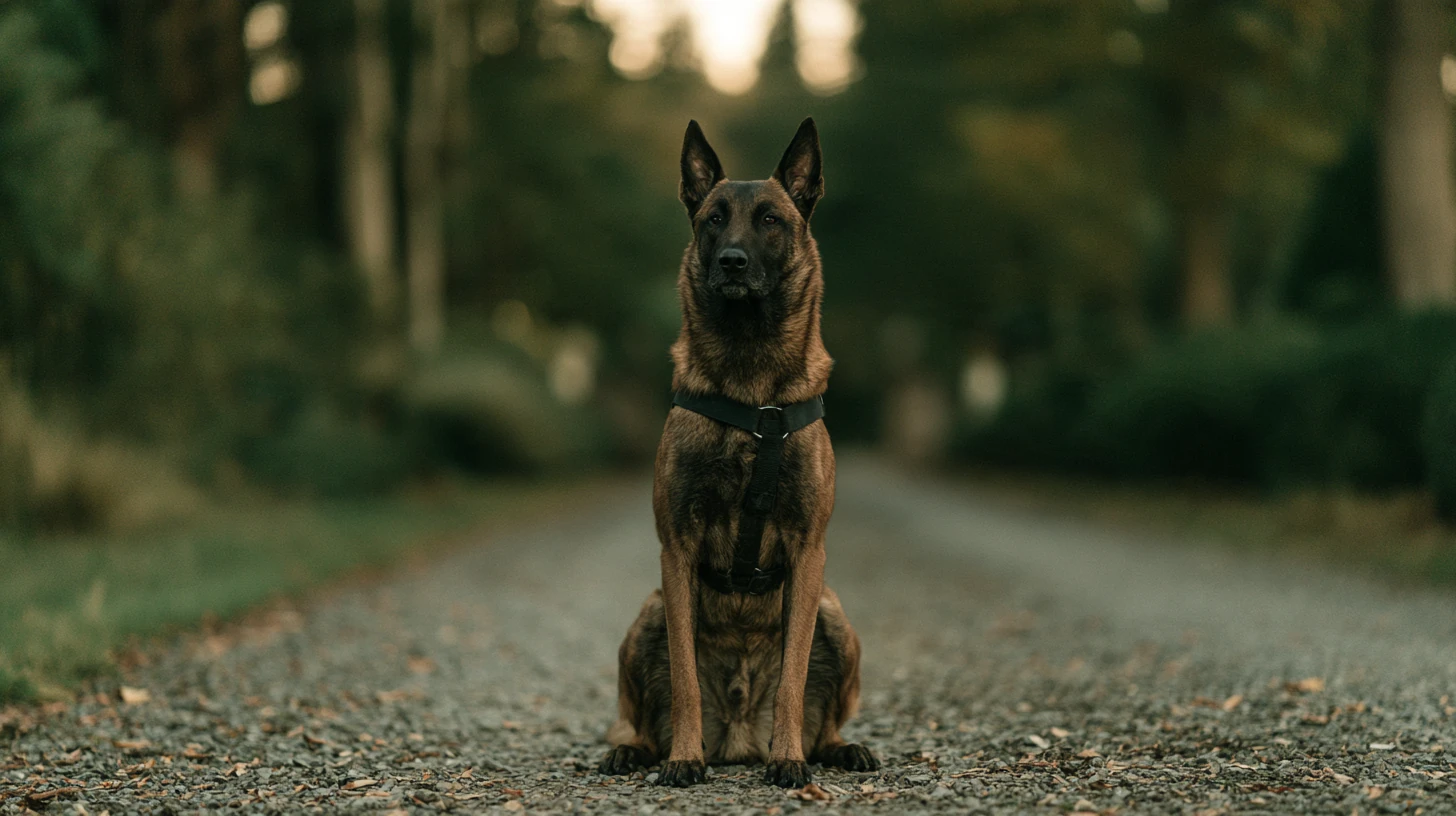
HMPPS guidance names the breeds it will consider. For general-purpose duties it lists the German Shepherd, the Belgian Malinois, German Shepherd crosses with the Malinois or the Dutch Herder (Dutch Shepherd), and Malinois x Dutch Herder crosses. For search and detection it lists spaniels, Labradors, other retrievers and other gundog breeds, with any other breed needing approval from the national inspectorate. Operational females must be spayed unless an exception is granted, and HMPPS dogs are not used in breeding programmes unless the National Dog Inspectorate specifically agrees.
What to ask a breeder
- Have dogs from this line been taken on by HMPPS, the police or other detection or patrol services?
- What are the parents’ hip and elbow scores, and which DNA and eye tests recommended for the breed have they had?
- How do the parents react to loud noise, shiny floors, open stairs and crowds?
- How strong are the parents’ hunt, retrieve and play drives, and how do you judge them in young dogs?
- Are you licensed by your local authority, and can I see the puppy with its mother where it was reared?
- Will you take the dog back if it does not pass assessment?
Frequently asked questions
Can I sell or donate my dog to the prison service?
HMPPS buys or accepts dogs subject to an accredited trainer’s evaluation and budget-holder approval, and only to fill current handler vacancies or planned replacements. What happens if a dog later fails training, whether return with a refund or rehoming, is agreed on the acquisition form at the point of purchase. Contact your nearest prison dog section; there is no guarantee a dog will be taken.
What breed is a prison drug dog?
HMPPS guidance allows spaniels, Labradors, other retrievers and other gundog breeds for search duties. Each dog is assessed for confidence without aggression, sociability with other dogs, concentration and search and play drive.
How do I become an HMPPS dog handler?
HMPPS recruits dog handlers through a published pre-selection process. Successful candidates complete an initial course with their dog and must be licensed by an accredited assessor before they become operational. Check current HMPPS vacancies for how posts are advertised.
If your working Labradors, springers, German Shepherds or Malinois come from lines used for detection or patrol work, list your kennel on caninebreeder.co.uk so services and experienced working homes can find you.