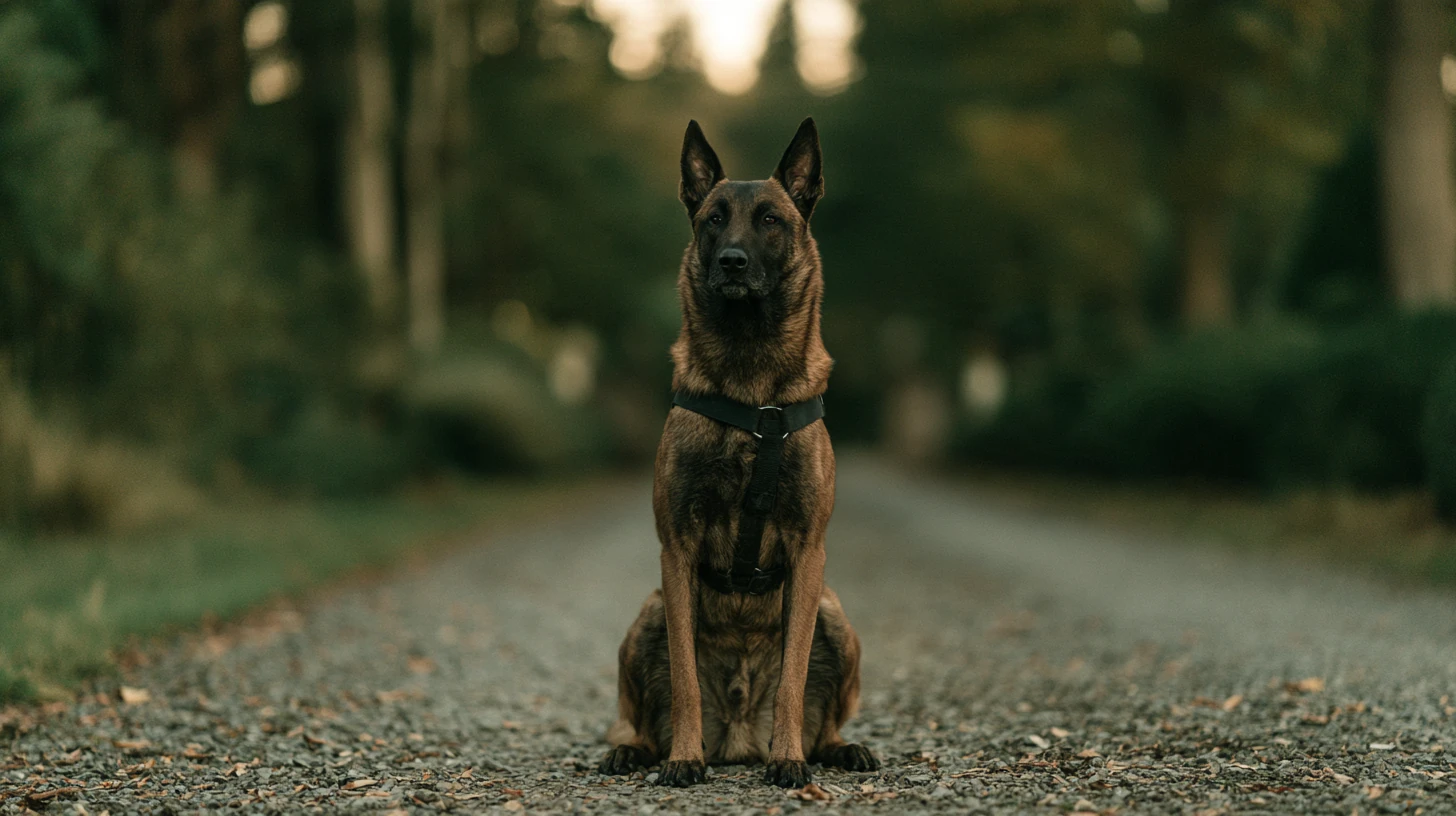
Breed dogs for personal and family protection dogs? Advertise here
Buyers and trainers use this page to find breeders whose lines do this work. List your kennel free, tick the industries your dogs work in, and advertise litters and stud dogs from proven working lines.
No breeders are listed here yet, so the first profiles get the page to themselves.
- Free basic profile: your breeder or company name, website, social media, location, breeds and industries.
- Litters and stud dogs advertised in their own sections, never mixed with puppies for sale.
- Premium showcase for your services and prices, previous customers, awards, video, gallery and health certificates, with your phone and email shown to buyers.
- Sponsored articles about your breed or industry, written and published by our team.
- Featured placement at the top of this page, labelled as sponsored.
Is it free to advertise here?
Yes. A breeder profile and your litter and stud dog adverts are free. Premium profiles, featured placement and sponsored articles are optional paid extras; see pricing.
Do I need a licence to advertise puppies?
In England you need a dog breeding licence from your council if you breed three or more litters in 12 months or breed and sell dogs as a business, and Wales, Scotland and Northern Ireland have their own schemes. Licensed breeders show their licence number and issuing council on every advert. Puppies must be at least eight weeks old before they go to new homes.
Is my listing already here?
We add licensed breeders from councils' public registers. Search for your kennel name; if it is listed you can claim it and edit everything.
About personal and family protection dogs
A personal protection dog in the UK is usually an adult dog trained by a private commercial trainer to deter and, on command, respond to a threat while living as a family pet. Trained protection dogs for sale are sold ready-trained by those trainers, often at high prices. There is no statutory UK certification for protection dogs, so the buyer has to judge the trainer and the dog. Protection dog breeders listed on this site offer puppies from lines that work in protection sports; they do not sell trained protection dogs.
What this work involves
A good family protection dog is calm and sociable most of the time. It should alert to genuine threats, respond to its handler’s command, stop the instant it is told, and be safe with children, visitors and other animals. Control and a reliable off switch matter far more than aggression, and a dog that is suspicious of everyone is a liability rather than an asset.
Much of the relevant ability shows up in dog sports. IGP, run internationally under rules published by the FCI, tests tracking, obedience and protection. The Royal Kennel Club describes working trials as a competitive activity based on the civilian equivalent of police dog work, testing control, agility and nosework. Breeders use these results as evidence of nerve, drive and control.
Who trains and supplies these dogs in the UK
- Private commercial trainers buy young dogs, usually from working-line breeders, train them and sell them as adults, often with ongoing support. Standards vary widely, and there is no statutory licence or certificate for protection dogs or for training them.
- NASDU (National Association of Security Dog Users) sets qualifications for commercial security dog handlers, such as its Level 2 Award for a General Purpose Security Dog Handler, built on the code of practice BS 8517-1. These cover security industry work; a family protection dog sits outside any statutory scheme.
- Breeders of working German Shepherds, Malinois, Dobermanns, Rottweilers and Giant Schnauzers supply puppies to sport homes, families and trainers.
Before buying from a trainer, ask to see the dog working and living in a home, check the trainer’s record and references, and have the dog’s health and temperament assessed independently.
Breeds and lines
- German Shepherd Dog and Belgian Shepherd Dog (Malinois): the most common choices, from working rather than show lines.
- Dobermann and Rottweiler: powerful, people-focused breeds with a long history of guarding.
- Giant Schnauzer: a less common working breed valued for the same qualities.
For a family, look for a clear-headed, stable temperament and real sociability with people. Hip and elbow scores, and breed-specific screening such as heart testing in Dobermanns, matter for a dog expected to work for years.
What to ask a breeder
- What have the parents achieved in IGP, working trials or other sport, and can I watch them train?
- How do the parents behave at home with children, visitors and other dogs?
- What are their hip and elbow scores, and which breed-specific tests have been done?
- Do you sell to protection trainers, and what welfare and training standards do you expect of them?
- How do you match each puppy’s drive and temperament to a family home?
- Will you take the dog back at any age if things do not work out?
Legal and welfare notes
- Under section 3 of the Dangerous Dogs Act 1991, the owner, and anyone in charge of the dog, commits an offence if it is dangerously out of control in any place in England or Wales, public or private. It is an aggravated offence if the dog injures a person or an assistance dog. The householder exception applies only where the dog is in, or partly in, a building that is a dwelling and the person it is out of control towards is, or is believed to be, a trespasser in or entering that building; it does not cover the garden or the street.
- Section 1 banned types (Pit Bull Terrier, Japanese Tosa, Dogo Argentino, Fila Brasileiro and XL Bully) cannot be bred from, sold, given away or abandoned. Canine Breeder does not list them.
- The Guard Dogs Act 1975 applies only if a dog guards premises, which the Act defines to exclude dwelling-houses, land within the curtilage of a dwelling-house, such as a garden, and agricultural land. At business premises, a capable handler must be present and in control unless the dog is secured, and a warning notice must be shown at every entrance.
- The Animal Welfare Act 2006 duty of care applies to training methods, housing and exercise. Scotland and Northern Ireland have their own animal welfare and dog control laws.
Frequently asked questions
Are protection dogs certified in the UK?
Not by any statutory scheme. Sport titles and security handler qualifications tell you something about a dog or handler, but nothing licenses a family protection dog, and any “certificate” a seller offers is their own.
Can I buy a trained protection dog on Canine Breeder?
No. Breeders here offer puppies from lines that work in protection sports. Trained adult dogs are sold by commercial trainers, so inspect the trainer’s record and the dog carefully before you buy.
Is it legal to keep a protection dog at home?
Yes, if it is not a banned type and is kept under control. The Dangerous Dogs Act 1991 applies in private places, including your own home, as well as public ones.
If your dogs work in IGP, working trials or other protection sports, list your breeding on Canine Breeder so families and trainers looking for sound working lines can find you.