Breed dogs for autism assistance dogs in the uk: how they are trained and where they come from? Advertise here
Buyers and trainers use this page to find breeders whose lines do this work. List your kennel free, tick the industries your dogs work in, and advertise litters and stud dogs from proven working lines.
No breeders are listed here yet, so the first profiles get the page to themselves.
- Free basic profile: your breeder or company name, website, social media, location, breeds and industries.
- Litters and stud dogs advertised in their own sections, never mixed with puppies for sale.
- Premium showcase for your services and prices, previous customers, awards, video, gallery and health certificates, with your phone and email shown to buyers.
- Sponsored articles about your breed or industry, written and published by our team.
- Featured placement at the top of this page, labelled as sponsored.
Is it free to advertise here?
Yes. A breeder profile and your litter and stud dog adverts are free. Premium profiles, featured placement and sponsored articles are optional paid extras; see pricing.
Do I need a licence to advertise puppies?
In England you need a dog breeding licence from your council if you breed three or more litters in 12 months or breed and sell dogs as a business, and Wales, Scotland and Northern Ireland have their own schemes. Licensed breeders show their licence number and issuing council on every advert. Puppies must be at least eight weeks old before they go to new homes.
Is my listing already here?
We add licensed breeders from councils' public registers. Search for your kennel name; if it is listed you can claim it and edit everything.
About autism assistance dogs in the uk: how they are trained and where they come from
An autism assistance dog can help an autistic child or adult stay safe, feel calmer and take part in everyday life. This page explains who trains autism assistance dogs in the UK, how families apply and where breeders fit in. Families apply to a charity for a trained dog; they cannot buy one, and the breeders listed on Canine Breeder do not supply trained autism assistance dogs.
What this work involves
The work depends on the person. Dogs for autistic children often focus on safety: Support Dogs says half of autistic children tend to bolt or wander off, so it trains its dogs to help keep the child safe when out, which also reduces stress for the family. Dogs for Good describes dogs that encourage positive routines and help an overwhelmed child feel calmer. Autism Assistance Dogs says its dogs help autistic people go into public places, attend school or work, and in some cases live alone for the first time.
You may see the American term “autism service dog”. In the UK the usual term is autism assistance dog. Either way, the dog must be steady around sudden noise and movement, tolerant of handling and calm in busy places.
Who trains and supplies these dogs in the UK
- Support Dogs (Sheffield) trains autism assistance dogs for children. Applicants’ children must be aged three to eight with a confirmed autism diagnosis, and families must live within two hours of its Sheffield centre. Places at its information days are allocated by ballot, and it does not train existing pet dogs for this programme.
- Dogs for Good (Banbury, Oxfordshire) trains autism assistance dogs for families with an autistic child. It runs its own breeding programme, with breeding bitches living with volunteers within about 40 minutes of Banbury, and offers paid Family Dog workshops for families thinking about a pet dog.
- Autism Assistance Dogs (Congleton, Cheshire), formerly Autism Dogs CIC and then Autism Dogs Charity, is an autistic-led charity accredited by Assistance Dogs International (ADI) since 2021. It accepts applicants of any age from England, Scotland and Wales. It also assesses young Labradors, Labradoodles and Retrievers from owners who need to rehome them, and pays for dogs it accepts onto its programme.
- Dogs for Autism (Alton, Hampshire) is another accredited charity providing autism assistance dogs for people with a diagnosis of autism.
All four are members of Assistance Dogs UK (ADUK). Supply is charity-led: dogs come from charity breeding programmes or are young dogs and puppies the charity has selected.
Breeds and lines
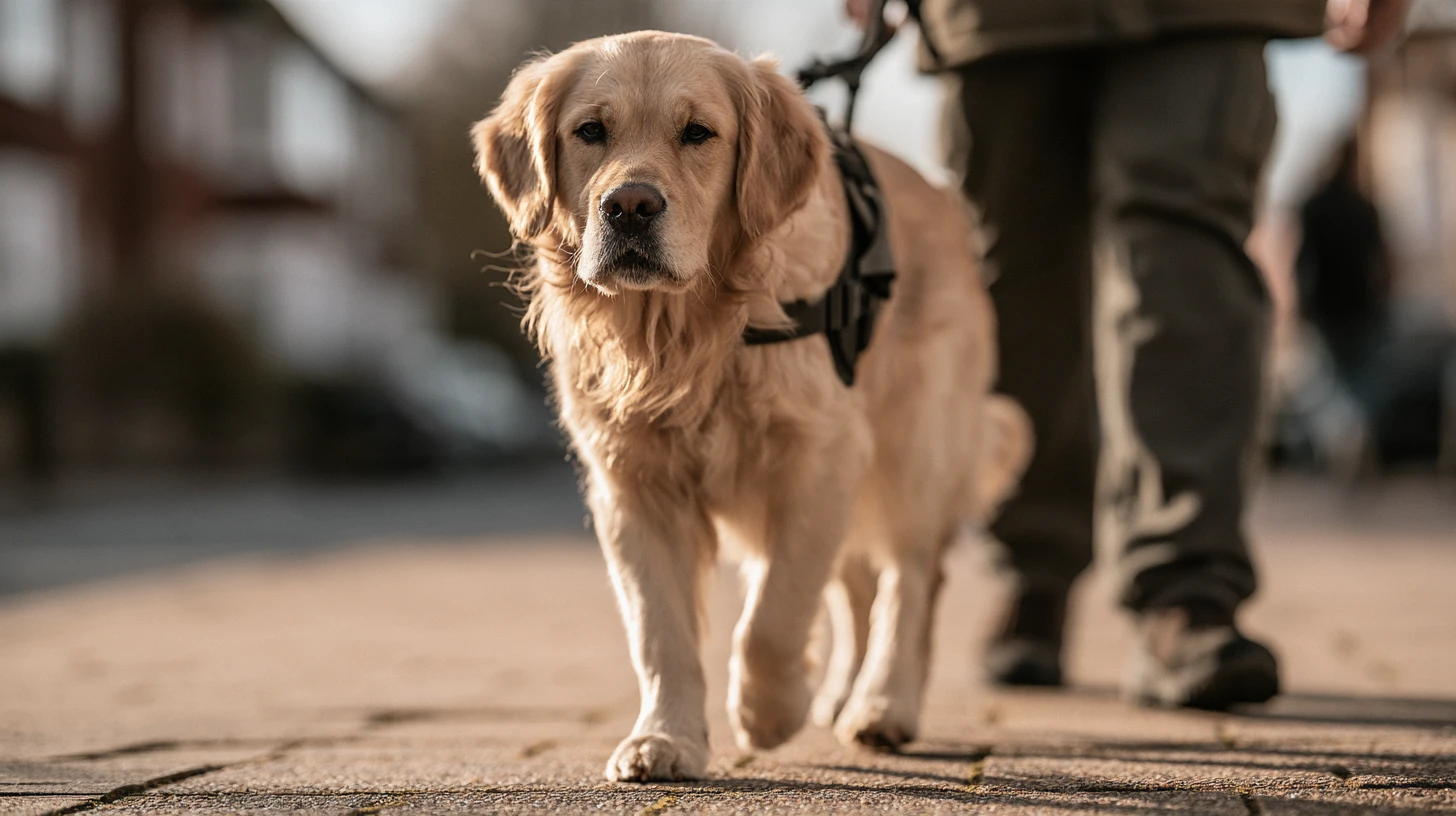
Autism assistance dogs in the UK are typically Labrador Retrievers, Golden Retrievers or Labrador x Golden Retriever crosses, and Autism Assistance Dogs also considers Labradoodles. These breeds are usually sociable, biddable and robust enough for family life. Whatever a dog’s breeding, only the charity’s own assessment decides whether it is suitable.
What to ask a breeder
- Which health tests have both parents had? Ask for BVA/RKC hip and elbow results, a current eye certificate and breed-relevant DNA tests.
- How do the parents cope with children, sudden noise and being handled?
- How are puppies socialised with children and household noise before eight weeks?
- Has any dog from your lines been accepted by an assistance dog charity, and how do you know?
- Will you take the dog back at any age if things do not work out?
Legal and welfare notes
In England, Scotland and Wales, the Equality Act 2010 protects disabled people, including autistic people, who use assistance dogs: service providers must not discriminate against them and must make reasonable adjustments, such as setting aside a “no dogs” policy. In Northern Ireland the Disability Discrimination Act 1995 applies. ADUK says an assistance dog can be trained by a charity, an independent trainer or its owner. What matters is that it is highly trained to support the person, so a pet in a jacket does not qualify. There is no UK register or official certificate.
Frequently asked questions
How do I get an autism assistance dog for my child?
Check each charity’s criteria, then apply directly. Criteria cover age, diagnosis and distance from the training centre, and demand is high, so expect waiting lists and application windows.
Is an autism assistance dog free?
It depends on the charity. Support Dogs says it relies entirely on voluntary donations to provide its service. Autism Assistance Dogs asks clients to contribute £16,990 towards a programme it says costs over £23,000.
Should we buy a puppy and have it trained?
Not without talking to a charity first. Support Dogs does not train pet dogs for its autism programme, and no breeder can promise a puppy will make an assistance dog. Dogs for Good’s Family Dog workshops can help if you want a family pet.
If you breed Labradors, Golden Retrievers or retriever crosses with calm, biddable temperaments, you are welcome to list your breeding on Canine Breeder. Please describe any link to assistance dog programmes accurately and only where you can evidence it.
Breeds used for autism assistance dogs for children and adults
More in assistance dogs
- Assistance dogs
- Assistance dogs for children with disabilities in the UK
- Assistance-dog breeding programmes and puppy supply
- Dual-purpose assistance dogs for people with sight and hearing loss
- Guide dogs for the blind: how they are bred and the breeds behind them
- Hearing dogs for deaf people: breeds, puppies and training
- Mobility assistance dogs in the UK: charities, breeds and breeders
- Owner-trained assistance dogs in the UK
- PTSD assistance dogs for veterans in the UK