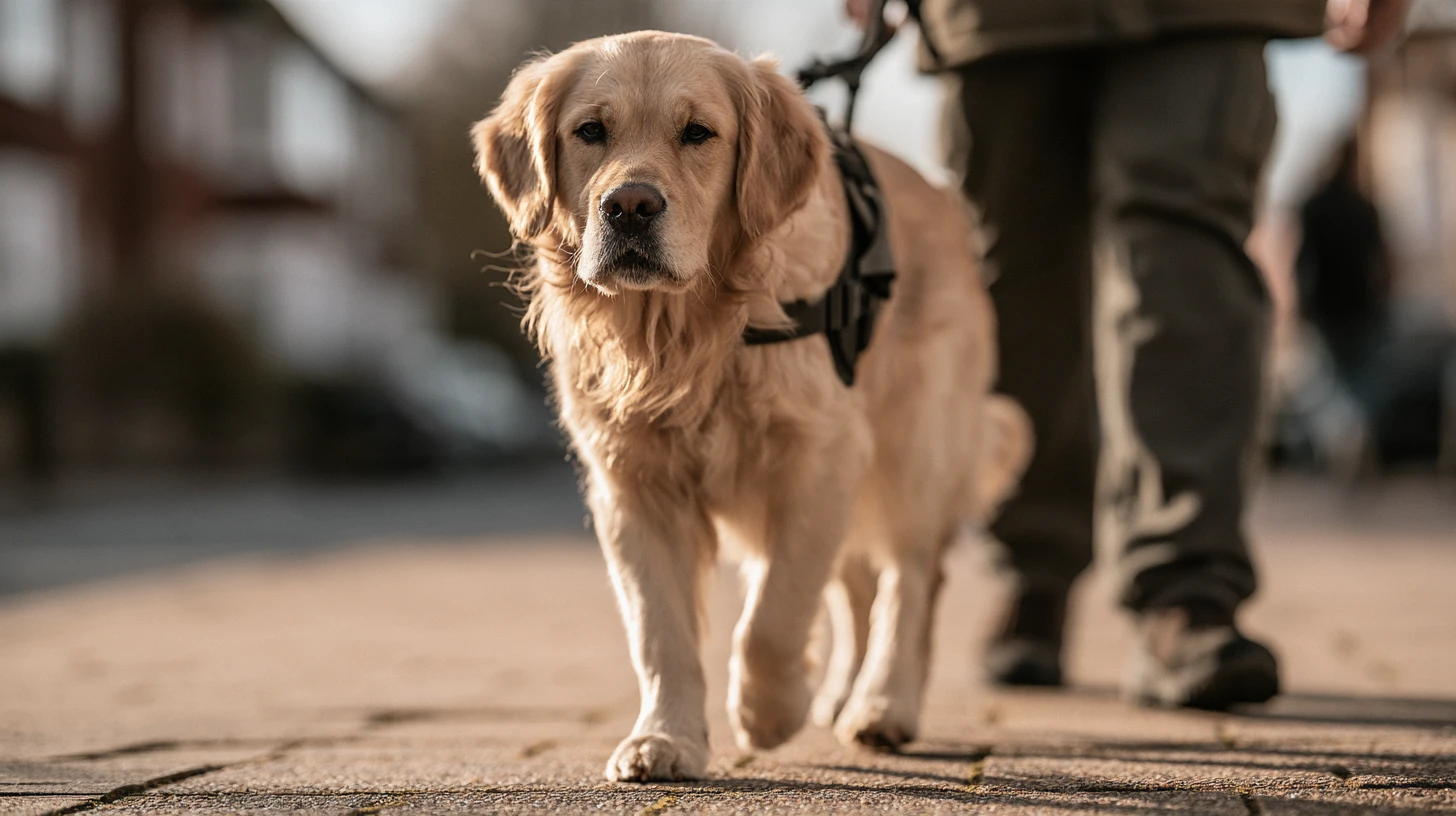
Breed dogs for ptsd assistance dogs for veterans in the uk? Advertise here
Buyers and trainers use this page to find breeders whose lines do this work. List your kennel free, tick the industries your dogs work in, and advertise litters and stud dogs from proven working lines.
No breeders are listed here yet, so the first profiles get the page to themselves.
- Free basic profile: your breeder or company name, website, social media, location, breeds and industries.
- Litters and stud dogs advertised in their own sections, never mixed with puppies for sale.
- Premium showcase for your services and prices, previous customers, awards, video, gallery and health certificates, with your phone and email shown to buyers.
- Sponsored articles about your breed or industry, written and published by our team.
- Featured placement at the top of this page, labelled as sponsored.
Is it free to advertise here?
Yes. A breeder profile and your litter and stud dog adverts are free. Premium profiles, featured placement and sponsored articles are optional paid extras; see pricing.
Do I need a licence to advertise puppies?
In England you need a dog breeding licence from your council if you breed three or more litters in 12 months or breed and sell dogs as a business, and Wales, Scotland and Northern Ireland have their own schemes. Licensed breeders show their licence number and issuing council on every advert. Puppies must be at least eight weeks old before they go to new homes.
Is my listing already here?
We add licensed breeders from councils' public registers. Search for your kennel name; if it is listed you can claim it and edit everything.
About ptsd assistance dogs for veterans in the uk
Veterans assistance dogs help former service personnel living with post-traumatic stress disorder (PTSD) and related mental health conditions. This page explains which UK charities train dogs for PTSD, where their dogs come from and how breeders fit in. You may see the American phrase “service dogs for veterans”; in the UK these are assistance dogs, and the breeders listed on Canine Breeder do not supply trained ones.
What this work involves
Veterans With Dogs says its dogs are trained to recognise signs of distress and to provide grounding, reassurance and calm, helping veterans rebuild confidence, independence and connection at their own pace. Bravehound says each of its dogs can perform at least three specified tasks matched to the veteran’s needs and is assessed every year against a public access test.
The partnership is usually built over many months, with the veteran training alongside the dog; Service Dogs UK puts its training at 9 to 12 months. The dog needs a stable, unobtrusive temperament and must stay under the handler’s control in public.
Who trains and supplies these dogs in the UK
- Service Dogs UK (registered in Fareham, Hampshire, with hubs on the South Coast, in the South West and in Essex) supports serving members and veterans of the Armed Forces and Emergency Services with PTSD, at no cost to the veteran for the training programme. It pairs them with dogs, mostly rescue dogs sourced through Dogs Trust, and supports them as they train together to Assistance Dogs International (ADI) standards.
- Bravehound, a Scottish charity founded in 2013, serves veterans in the central belt of Scotland with a clinical mental health diagnosis linked to their service. It is a member of ADI and Assistance Dogs UK. Bravehound sources the dog and keeps ownership of it, and there is no charge for the dog, although the veteran pays some ongoing costs. It uses a variety of breeds and will also assess a veteran’s existing pet dog.
- Veterans With Dogs (Exeter, Devon) supports veterans of the UK Armed Forces and Merchant Navy with complex mental health challenges through its PALS programme, which includes structured residential training. It also has an owner-trained pathway for suitable dogs, typically under three years old.
Darwin Dogs and Oliver’s Army, also Assistance Dogs UK members, help people train their own dogs, including for PTSD. The supply model varies: rescue dogs at Service Dogs UK, dogs sourced and owned by Bravehound, and veterans’ own dogs on owner-trained pathways.
Breeds and lines
There is no single PTSD breed. Bravehound uses a variety of breeds and types, and Service Dogs UK chooses rescue dogs on their ability rather than their breed, whether pedigree, cross or mixed. Across UK assistance dog charities more widely, Labradors, Golden Retrievers and their crosses are the most common choices. What matters is a dog that settles easily, recovers quickly from surprises, enjoys training and copes with busy places.
What to ask a breeder
If you are a veteran thinking about a puppy for a future owner-trained pathway, talk to the charity first, because pathways have age and suitability criteria. Then ask the breeder:
- Which health tests have both parents had, including hip, elbow and eye results?
- How do the parents react to sudden noise, crowds and visitors, and how quickly do they settle?
- How are puppies socialised before they leave, and what support do you offer afterwards?
- Has any dog from your lines been accepted by an assistance dog charity, and how do you know?
- Will you take the dog back at any age if it does not suit?
Legal and welfare notes
Under the Equality Act 2010, a disability can be a physical or mental impairment that has a substantial and long-term adverse effect on day-to-day activities, so PTSD can qualify. ADUK describes an assistance dog as one trained to support a disabled person or someone with a long-term health condition, including mental health conditions. The Act covers England, Scotland and Wales; in Northern Ireland the Disability Discrimination Act 1995 applies. UK law gives “emotional support animals” no equivalent status. There is no official register, so certificates bought online carry no legal weight.
Frequently asked questions
Do veterans pay for a PTSD assistance dog?
Models differ. Service Dogs UK does not charge veterans for its training programme. Bravehound makes no charge for the dog but asks veterans to cover costs such as a pet health plan and training treats. Ask each charity what it provides.
Is an emotional support dog the same as a PTSD assistance dog?
No. A PTSD assistance dog is trained to perform specific tasks and to behave reliably in public. An emotional support dog may be a great comfort, but it is not an assistance dog.
What about veterans with physical injuries?
Hounds for Heroes, an Assistance Dogs UK candidate organisation, trains assistance dogs for former Armed Forces and emergency services personnel living with injury or long-term illness.
Breeders whose Labradors, Golden Retrievers or spaniels show the steady, resilient temperament this work needs are welcome to list your breeding on Canine Breeder. Please describe your dogs’ aptitude accurately and only mention charity links you can evidence.
Breeds used for ptsd and veterans' assistance dogs
More in assistance dogs
- Assistance dogs
- Assistance dogs for children with disabilities in the UK
- Assistance-dog breeding programmes and puppy supply
- Autism assistance dogs in the UK: how they are trained and where they come from
- Dual-purpose assistance dogs for people with sight and hearing loss
- Guide dogs for the blind: how they are bred and the breeds behind them
- Hearing dogs for deaf people: breeds, puppies and training
- Mobility assistance dogs in the UK: charities, breeds and breeders
- Owner-trained assistance dogs in the UK