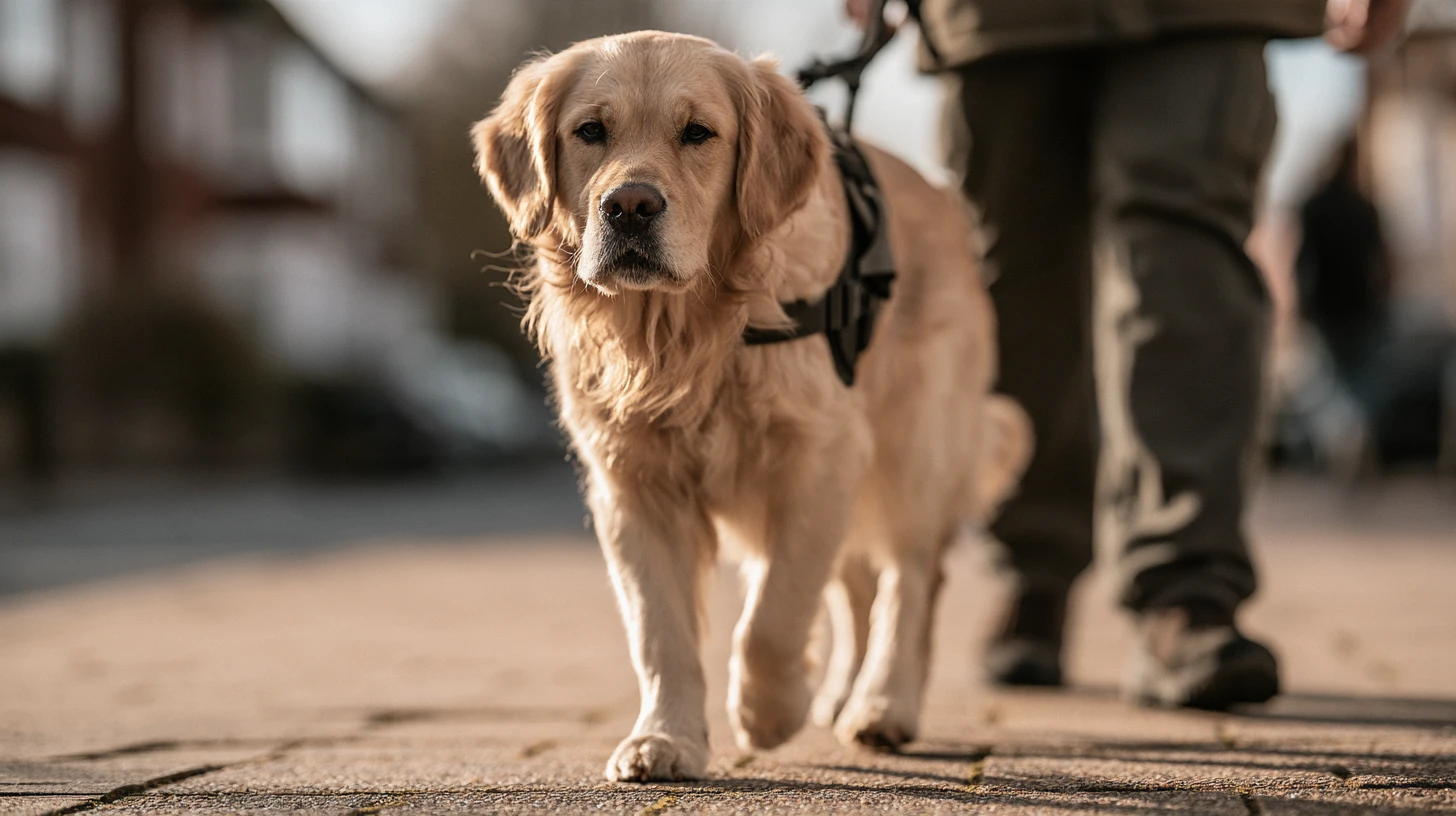
Breed dogs for dual-purpose assistance dogs for people with sight and hearing loss? Advertise here
Buyers and trainers use this page to find breeders whose lines do this work. List your kennel free, tick the industries your dogs work in, and advertise litters and stud dogs from proven working lines.
No breeders are listed here yet, so the first profiles get the page to themselves.
- Free basic profile: your breeder or company name, website, social media, location, breeds and industries.
- Litters and stud dogs advertised in their own sections, never mixed with puppies for sale.
- Premium showcase for your services and prices, previous customers, awards, video, gallery and health certificates, with your phone and email shown to buyers.
- Sponsored articles about your breed or industry, written and published by our team.
- Featured placement at the top of this page, labelled as sponsored.
Is it free to advertise here?
Yes. A breeder profile and your litter and stud dog adverts are free. Premium profiles, featured placement and sponsored articles are optional paid extras; see pricing.
Do I need a licence to advertise puppies?
In England you need a dog breeding licence from your council if you breed three or more litters in 12 months or breed and sell dogs as a business, and Wales, Scotland and Northern Ireland have their own schemes. Licensed breeders show their licence number and issuing council on every advert. Puppies must be at least eight weeks old before they go to new homes.
Is my listing already here?
We add licensed breeders from councils' public registers. Search for your kennel name; if it is listed you can claim it and edit everything.
About dual-purpose assistance dogs for people with sight and hearing loss
A dual-purpose assistance dog is trained for more than one role, for example guiding a person with sight loss and alerting them to sounds. This page explains how these dogs are produced in the UK, who to contact and what breeders can and cannot offer. Dual-purpose dogs come from existing charity programmes. They are not bred to order or sold by breeders, including those listed on Canine Breeder.
What this work involves
Guide Dogs describes dual-purpose assistance dogs as specially trained dogs who help people with more than one disability. It has described them as guide dogs that also learn a second role, as a hearing dog or providing disability support, for people with sight loss and an additional need such as significant hearing loss, epilepsy or a physical disability. In one partnership the charity has described, the dog helps its owner get out and about and alerts her at home to the smoke alarm, doorbell, oven timer and alarm clock.
Because a deafblind person may not see or hear traffic, Rule 207 of the Highway Code asks drivers to take extra care with deafblind people, who may carry a white cane with a red band or use a dog with a red and white harness. A standard qualified guide dog wears a white harness with yellow fluorescent strips.
You may also see the term “multi-purpose assistance dog” for the same idea. Each dog’s tasks are set around one person’s needs, so no two partnerships are quite the same.
Who trains and supplies these dogs in the UK
- Guide Dogs breeds and trains guide dogs and recognises dual-purpose dogs as a type of assistance dog. Its dogs come from its own breeding programme at its National Centre near Leamington Spa, and it has said it works with other Assistance Dogs UK charities on dual-purpose training.
- Hearing Dogs for Deaf People trains dogs to alert deaf people to sounds, including hearing dogs and home-based sound support dogs, mainly from its own breeding scheme. Guide Dogs has said the first UK dual-purpose partnership, in 2003, was set up between Guide Dogs and Hearing Dogs.
- Assistance Dogs UK (ADUK) lists accredited member charities and explains the different types of assistance dog.
- Sense, a national disability charity that supports people with complex disabilities, including people who are deafblind, publishes guidance on guide dogs and assistance dogs.
If you have both sight and hearing loss, contact Guide Dogs and Hearing Dogs directly and ask how each could support you. The supply model is charity-bred: dogs for combined roles come from within existing charity programmes, not from outside breeders.
Breeds and lines
Because Guide Dogs has described dual-purpose dogs as guide dogs that take on a second role, they come from guide dog breeding: mainly Labrador Retrievers, Golden Retrievers and Labrador x Golden Retriever crosses, which make up more than 60% of its working guide dogs. Guiding is the more demanding role, so the dog first needs a guide dog’s steadiness and concentration, then the responsiveness to learn a second job. Guide Dogs chooses breeding dogs using health and behaviour records from each dog’s ancestors, siblings and offspring.
What to ask a breeder
A pet puppy is not a dual-purpose dog. If you have dual sensory loss and want a companion dog, these questions will help you choose well:
- Which health tests have both parents had, including BVA/RKC hip, elbow and eye results?
- How do the parents respond to being touched unexpectedly, and do they settle quickly after a surprise?
- How have the puppies been socialised with household sounds and handling?
- Will you help me choose a calm puppy and support me after it comes home?
- Will you take the dog back at any age if it does not suit?
Legal and welfare notes
Trained guide dogs and hearing dogs, including dual-purpose dogs, are covered by the Equality Act 2010 in England, Scotland and Wales, so their owners can use almost all premises and transport with them, and taxi drivers must carry them at no extra charge. In Northern Ireland the Disability Discrimination Act 1995 applies. There is no government register or certificate for assistance dogs in the UK.
Frequently asked questions
What colour harness does a deafblind person’s dog wear?
The Highway Code says a deafblind person may use a dog with a red and white harness, or carry a white cane with a red band. Drivers should take extra care, because the person may not see or hear instructions or signals.
Can one dog be both a guide dog and a hearing dog?
Yes, where the charities judge that one dog can safely do both. Guide Dogs and Hearing Dogs set up the first UK dual-purpose partnership in 2003, and these dogs are trained case by case within charity programmes.
Can I buy a dual-purpose assistance dog?
No. They are matched with people who apply to a charity, and no breeder can produce one to order.
Breeders whose Labradors, Golden Retrievers or retriever crosses show the calm concentration that guide and hearing work need are welcome to list your breeding on Canine Breeder. Please describe your lines honestly and only mention links to assistance dog charities you can evidence.
Breeds used for dual-purpose assistance dogs for people with multiple disabilities
More in assistance dogs
- Assistance dogs
- Assistance dogs for children with disabilities in the UK
- Assistance-dog breeding programmes and puppy supply
- Autism assistance dogs in the UK: how they are trained and where they come from
- Guide dogs for the blind: how they are bred and the breeds behind them
- Hearing dogs for deaf people: breeds, puppies and training
- Mobility assistance dogs in the UK: charities, breeds and breeders
- Owner-trained assistance dogs in the UK
- PTSD assistance dogs for veterans in the UK