Breed dogs for assistance dogs for children with disabilities in the uk? Advertise here
Buyers and trainers use this page to find breeders whose lines do this work. List your kennel free, tick the industries your dogs work in, and advertise litters and stud dogs from proven working lines.
No breeders are listed here yet, so the first profiles get the page to themselves.
- Free basic profile: your breeder or company name, website, social media, location, breeds and industries.
- Litters and stud dogs advertised in their own sections, never mixed with puppies for sale.
- Premium showcase for your services and prices, previous customers, awards, video, gallery and health certificates, with your phone and email shown to buyers.
- Sponsored articles about your breed or industry, written and published by our team.
- Featured placement at the top of this page, labelled as sponsored.
Is it free to advertise here?
Yes. A breeder profile and your litter and stud dog adverts are free. Premium profiles, featured placement and sponsored articles are optional paid extras; see pricing.
Do I need a licence to advertise puppies?
In England you need a dog breeding licence from your council if you breed three or more litters in 12 months or breed and sell dogs as a business, and Wales, Scotland and Northern Ireland have their own schemes. Licensed breeders show their licence number and issuing council on every advert. Puppies must be at least eight weeks old before they go to new homes.
Is my listing already here?
We add licensed breeders from councils' public registers. Search for your kennel name; if it is listed you can claim it and edit everything.
About assistance dogs for children with disabilities in the uk
Assistance dogs for children can make daily life safer and more independent for a disabled child and their family. If you are looking for a child assistance dog in the UK, this page sets out which charities train an assistance dog for a disabled child, including dogs for children with diabetes and what is available for children with epilepsy, and where breeders fit in. Parents apply to a charity; trained dogs are not sold, and the breeders on Canine Breeder do not supply them.
What this work involves
The role depends on the child’s needs:
- Physical disability: tasks such as opening doors, fetching items and helping with dressing.
- Autism: helping keep a child safe when out, encouraging routines and helping them feel calmer.
- Type 1 diabetes: alerting to dangerous changes in blood sugar, so the family can act before a hypo or hyper becomes serious.
- Sight loss: guide dogs for young people, or buddy dogs that build confidence.
- Hearing loss: hearing dogs that alert a child to important sounds.
The dog works as part of a family team, and the charity stays involved throughout the partnership.
Who trains and supplies these dogs in the UK
- Dogs for Good (Banbury, Oxfordshire) trains assistance dogs for physically disabled children and adults, and autism assistance dogs for families with an autistic child. It breeds its own dogs.
- Support Dogs (Sheffield) trains autism assistance dogs for children who are aged three to eight when they apply and live within two hours of its centre. Its seizure alert programme is for people aged 16 and over.
- Hypo Hounds trains diabetic alert dogs, mainly for children with type 1 diabetes, and helps adults with a clinical need. It started its own breeding and training programme in 2020 and, at the time of writing, is taking applications in Kent. It is an Assistance Dogs UK candidate, working towards full accreditation.
- Guide Dogs has no minimum age for guide dog ownership and also provides buddy dogs for children and young people with sight loss.
- Hearing Dogs for Deaf People offers hearing dogs to children aged seven and over, according to Assistance Dogs UK.
Assistance Dogs UK lists its accredited members and candidates. The supply model is charity-trained, using dogs from the charity’s own breeding or from selected sources.
Breeds and lines
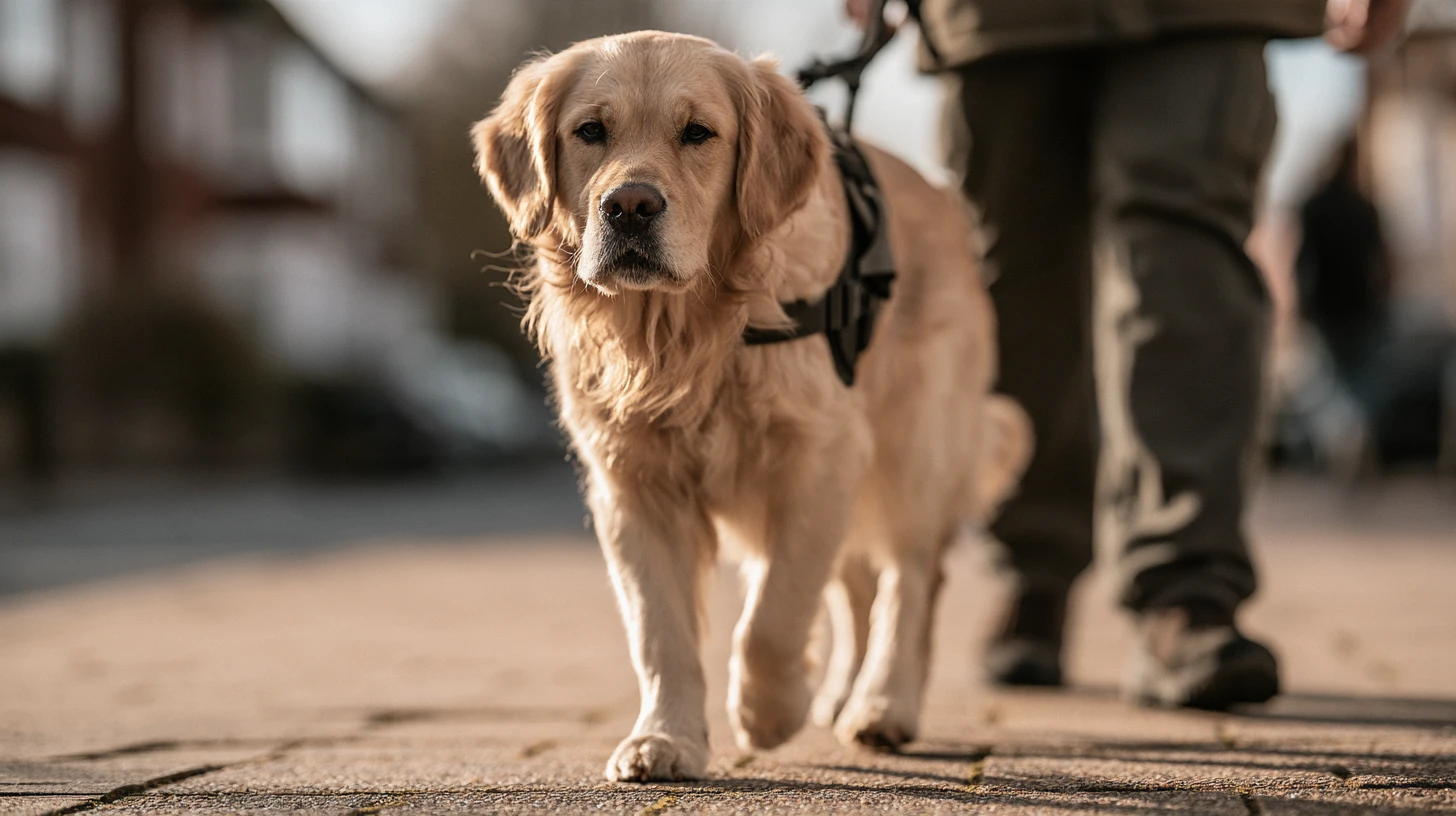
Children’s assistance dogs are most often Labrador Retrievers, Golden Retrievers or Labrador x Golden Retriever crosses; Hearing Dogs also uses Cocker Spaniels, Miniature Poodles and Cockapoos. They must tolerate noise, sudden movement and clumsy handling, and stay patient in a busy family home. Scent work for diabetes also needs a keen nose and good focus.
What to ask a breeder
Some families want a pet dog as well as, or instead of, an assistance dog. If you are choosing a puppy for a home with a disabled child, ask:
- Which health tests have both parents had, including hip, elbow and eye results?
- How do the parents behave with children, sudden noise and being grabbed or bumped?
- Will you match a puppy to our family for temperament rather than looks?
- What support do you give after the puppy goes home, and will you take the dog back at any age?
- Has any dog from your lines been accepted by an assistance dog charity, and how do you know?
Do not buy a puppy expecting a charity to train it later. Support Dogs, for example, does not train pet dogs for its autism programme.
Legal and welfare notes
In England, Scotland and Wales, the Equality Act 2010 protects disabled people, including children, who use assistance dogs: service providers must not discriminate and must make reasonable adjustments, such as setting aside a “no dogs” policy. In Northern Ireland the Disability Discrimination Act 1995 applies. There is no official register or certificate for assistance dogs; ADUK members issue their own ID to the families they support.
Frequently asked questions
How can I get an assistance dog for my disabled child?
Find the charity whose programme matches your child’s needs, age and location, then apply directly. Expect waiting lists and limited application windows.
Are there assistance dogs for children with type 1 diabetes?
Yes. Hypo Hounds focuses on diabetic alert dogs for children. It charges an annual fee of £50 once a family is accepted.
Are there seizure alert dogs for children with epilepsy?
Support Dogs’ seizure alert dogs are for people aged 16 and over. Families of younger children should ask Assistance Dogs UK members directly what support they can offer.
Breeders whose Labradors, Golden Retrievers or Cocker Spaniels are known for patience with children and a steady temperament are welcome to list your breeding on Canine Breeder. Please describe your dogs’ aptitude honestly, and only mention links to assistance dog charities you can evidence.
Breeds used for assistance dogs for children with disabilities
More in assistance dogs
- Assistance dogs
- Assistance-dog breeding programmes and puppy supply
- Autism assistance dogs in the UK: how they are trained and where they come from
- Dual-purpose assistance dogs for people with sight and hearing loss
- Guide dogs for the blind: how they are bred and the breeds behind them
- Hearing dogs for deaf people: breeds, puppies and training
- Mobility assistance dogs in the UK: charities, breeds and breeders
- Owner-trained assistance dogs in the UK
- PTSD assistance dogs for veterans in the UK